
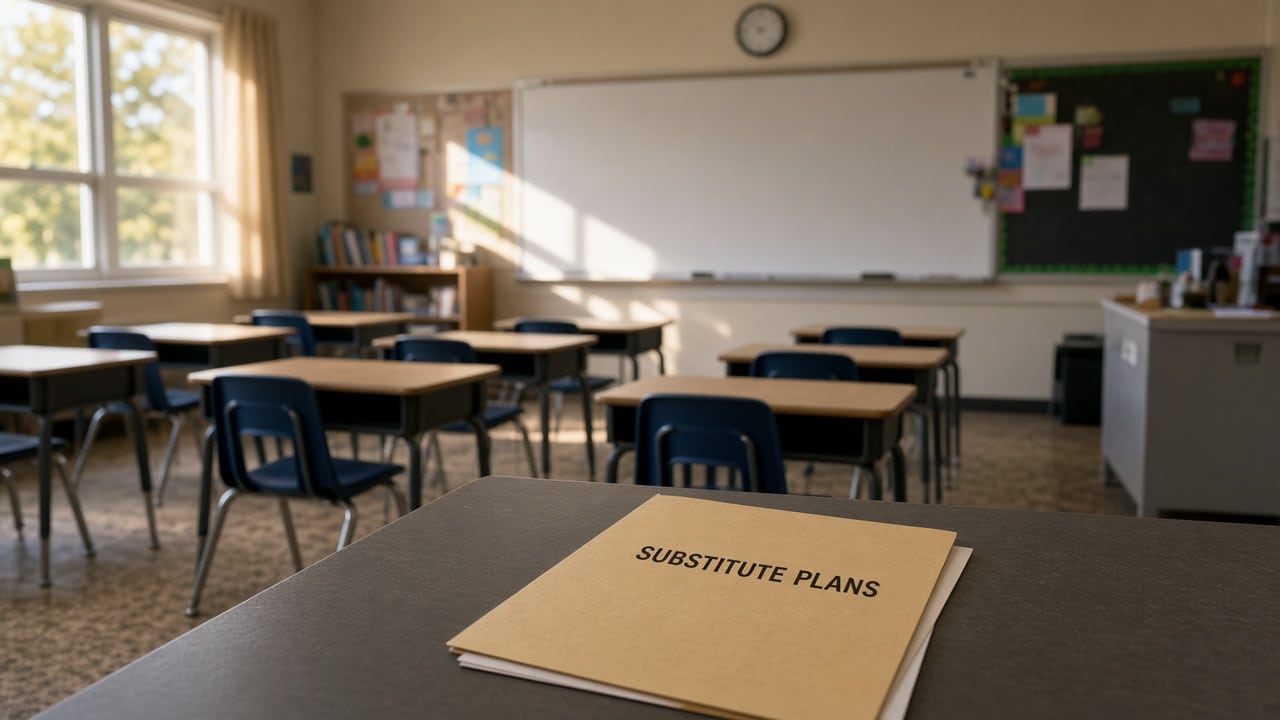
About four in 10 students across OECD countries attend schools whose principals say a lack of teachers is hurting instruction. That is worse than 2018 but better than 2022, and the OECD’s newest numbers show the shortage looks different depending on how you measure it.
The latest international data on teacher shortages arrived this fall in two reports from the Organisation for Economic Co-operation and Development. Read together, they show a problem that has eased slightly from its post-pandemic peak but has not gone away.

What PISA 2025 Found
In the PISA 2025 results, released in September 2026, about four in 10 students across OECD countries were in schools where the principal said a lack of teaching staff hindered instruction “to some extent” or “a lot.”
That is a decline from the last round. In 2022, the share was 47 percent, up from 26 percent in 2018, according to the OECD’s Education at a Glance 2025. PISA 2025 found that principals reported fewer shortages on average than in 2022, but in most countries the concern remains higher than in 2018. The drops were largest in Saudi Arabia, Belgium and Hong Kong, each down more than 25 percentage points since 2022.
The OECD cautions that the improvement may not mean more teachers. Student-to-teacher ratios also improved, and the report says that may reflect declining enrollment and other changes rather than new hiring.
These figures are principals’ perceptions, not head counts. What one principal calls a shortage, another may not.
Quality, Not Just Quantity
Principals were less worried about the quality of their staff than the quantity. About a quarter of students were in schools where principals said inadequate or poorly qualified teaching staff hindered instruction, roughly the same as in 2022.
A separate measure in Education at a Glance 2026, published in late September, looks at qualifications directly. Across OECD countries, 9.1 percent of primary and secondary teachers in public schools are not fully qualified, meaning they do not yet meet all national requirements. That share rose between 2017-18 and 2024-25 in 17 of the 25 countries with trend data. In some countries the figure is much higher. Chile, Denmark, Estonia and Germany are all above 18 percent.
Shortages of assisting staff, such as aides and support personnel, were reported at similar levels to teacher shortages in PISA 2025, about four in 10 students.

Vacancies Tell a Different Story
Counting empty positions produces a much smaller number. The 2026 report found that unfilled teaching vacancies were below 4 percent of all teaching positions in every participating country. The report points to how systems fill gaps in other ways, including what it calls alternative staffing arrangements, such as hiring teachers who are not yet fully qualified. Vacancy counts also miss teachers who are absent for long stretches during the year.
That gap between a low vacancy rate and a high share of principals reporting trouble is the point. A classroom with a long-term substitute or an uncertified teacher counts as filled. It does not necessarily feel that way to the students or to the colleagues covering for it.
What This Means for Teachers
For teachers, the international picture matches what many see in their own buildings. Shortages show up less as empty rooms than as stretched staff, more teachers working toward full certification, and fewer aides. The 2026 report also found the share of lower secondary teachers in schools where more than 10 percent of students have special education needs rose from 30 percent in 2018 to 45 percent in 2024, and the share who frequently have to calm disruptive students rose from 64 percent to 72 percent.
The OECD’s conclusion is that recruitment alone will not fix shortages. Working conditions, workload and how teachers feel the profession is valued all shape whether they stay. Only 22 percent of teachers across OECD countries said they feel teaching is valued in society.
Frequently Asked Questions
How many students are affected by teacher shortages worldwide?
The OECD figure covers OECD member countries, not the whole world. In PISA 2025, about four in 10 students across OECD countries were in schools where principals said a lack of teachers hindered instruction.
Is the teacher shortage getting worse?
Compared with 2018, yes. Compared with 2022, principals reported somewhat fewer shortages on average, down from 47 percent.
What share of teachers are not fully qualified?
About 9 percent of primary and secondary teachers in public schools across OECD countries, according to Education at a Glance 2026.
Are these figures counts of empty jobs?
No. The PISA figures are principals’ reports of whether shortages hinder instruction. Actual unfilled vacancies were under 4 percent of positions in every country that reported them.