
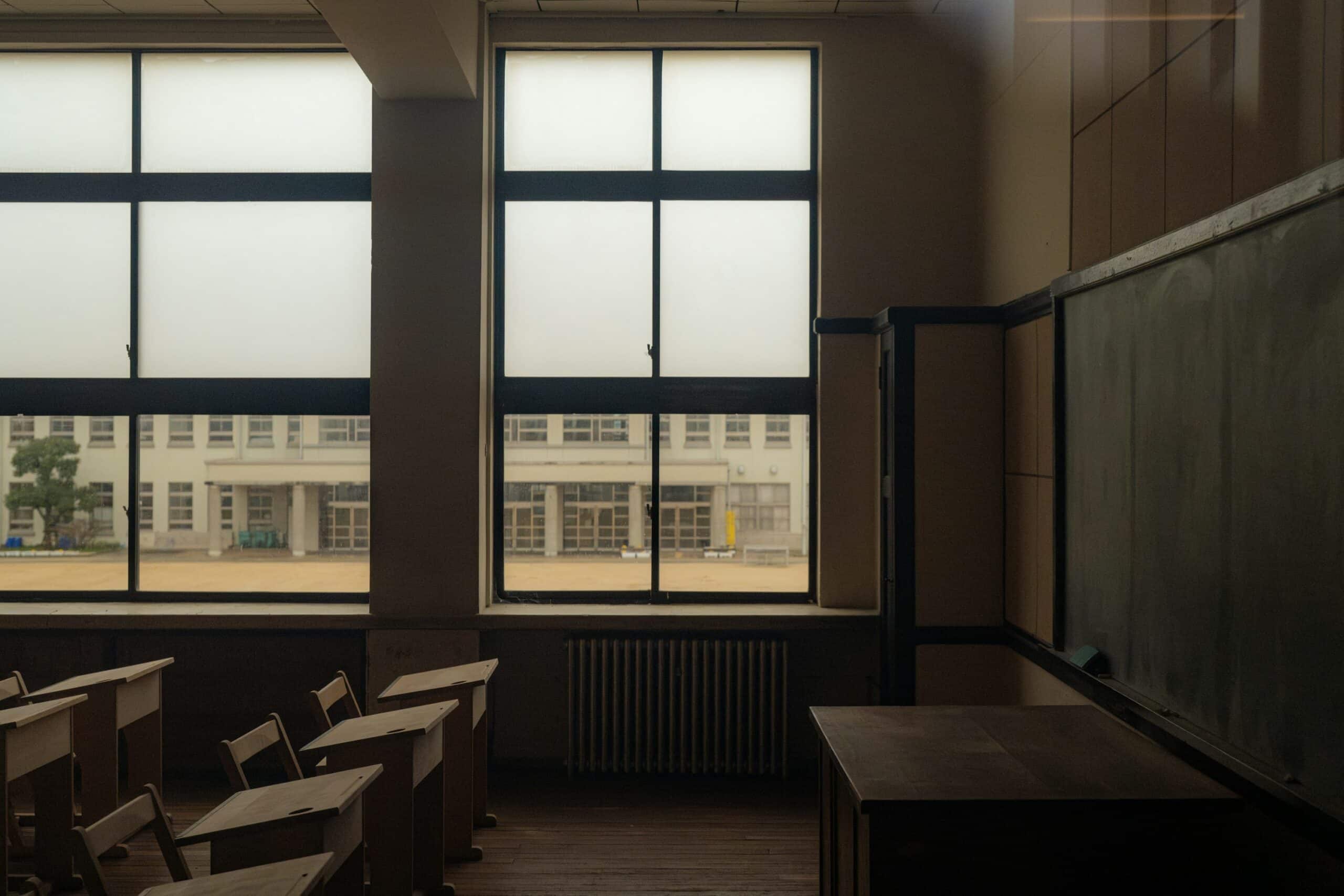
A Kentucky middle school is cutting routine Chromebook use for 2026-27 and putting pencil, paper, discussion, and hands-on work back at the center of class. The superintendent says students asked for it. The whole district then followed with daily screen-time caps. Chromebooks stay for state testing and selected assignments. This is not a national “ditch the laptop” essay. It is what one northeast Kentucky district actually did.
What Simons Middle School Announced
In May 2026, the Lexington Herald-Leader reported that Simons Middle School in Fleming County posted that it would shift away from routine Chromebook use in class beginning with the 2026-27 school year. The school said it was going back to more pencil, paper, and hands-on learning. Chromebooks would still be used as needed for state testing and specific assignments, with the aim of limiting technology use.
Fleming County Superintendent Brian Creasman told the Herald-Leader the shift was “largely the result of student voice, along with feedback from parents and guardians.” Students, he said, had consistently asked for more balance, more face-to-face collaboration and discussion, and less learning dominated by a computer screen.
Then the Whole District Set Screen Caps
After Simons moved, district leaders said they did not want schools going in different directions. In July 2026 the Fleming County Board of Education approved a districtwide screen-time policy for 2026-27, GovTech and WKYT reported:
Elementary: 45 minutes of school-related screen time per day
Middle school: 60 minutes
High school: 90 minutes
Those minutes cover classroom instruction and homework combined. Exceptions remain for state-mandated testing and career and technical education programs, Simons Middle Principal Dr. Whitney Shannon Wilson told WKYT.
Creasman put the goal in plain language to GovTech: technology stays an instructional tool. The question teachers should ask is not whether a device can be used, but whether it makes the learning experience better.
RELATED STORIES
This School Used Money Generated by Solar Panels to Give Teachers $15K Pay Raises
Batesville school solar panels feature
He Just Wanted to Help His Grandkids Get to School. You Won’t Believe What He Did Next
Grandfather Express school bus
New York Teachers Just Won a Rare Retirement Age Rollback. Here’s What Changes at 58
New York teacher pension reform
Why School Leaders Say They Did It
Wilson told WKYT the building had already banned phones in recent years and saw culture improve. Staff and student feedback on Chromebooks, she said, was that screen time was “way too much.” PBS Kentucky Edition also covered the district’s move, noting that a 2025 state law restricted student personal devices during the school day but did not cap instructional Chromebooks and tablets. Fleming County chose to set those classroom limits itself.
Creasman told reporters the district had surveyed and interviewed students over the past year. When students keep saying the same thing about their learning experience, he said, adults have a responsibility to listen. Teachers, parents, guardians, and principals also pushed for reasonable limits. The board worked with the Kentucky School Boards Association on the policy language.
What This Is Not
It is not a ban on every laptop in Fleming County. Chromebooks remain for state testing and selected work. CTE programs that need screens are carved out. High schoolers still get up to 90 minutes a day under the cap. Creasman has repeatedly said the district is not trying to rewind to a pre-digital classroom.
It is also not the same story as theme pieces about other districts that pulled devices from early grades or framed a national “Chromebook rebellion.” The documented facts here are local: Simons Middle’s May announcement, Creasman’s student-voice explanation, and a July board policy with grade-band minute caps for 2026-27.
What Teachers Will Feel First
If you teach in a 1:1 building, you already know the difference between “the Chromebook is available” and “the Chromebook is the default.” Fleming County is trying to force that second question into daily planning. Sixty minutes at middle school is not zero screens. It is a hard daily budget that includes homework, so a late-night LMS assignment burns the same minutes as a morning quiz.
That is the practical stake for classrooms watching this from outside Kentucky. A small rural district put student feedback and board policy behind a written limit, kept testing access, and told teachers to treat tech as a choice, not a reflex.
FAQ
Is Fleming County banning Chromebooks?
No. Simons Middle is cutting routine in-class Chromebook use. The district capped daily school-related screen time by grade band for 2026-27. State testing and CTE programs still use screens.
Who is the superintendent?
Brian Creasman of Fleming County Schools. He has publicly tied the change to student, family, and staff feedback.
When does it start?
The 2026-27 school year, per the school’s May announcement and the board policy covered in August 2026 local reporting.