
A bipartisan Senate bill would offer federal grants to states that ban phones and other personal devices in every public school during the school day. It has been introduced, not passed, and it carries no dollar figure yet. Here is what it would actually require.
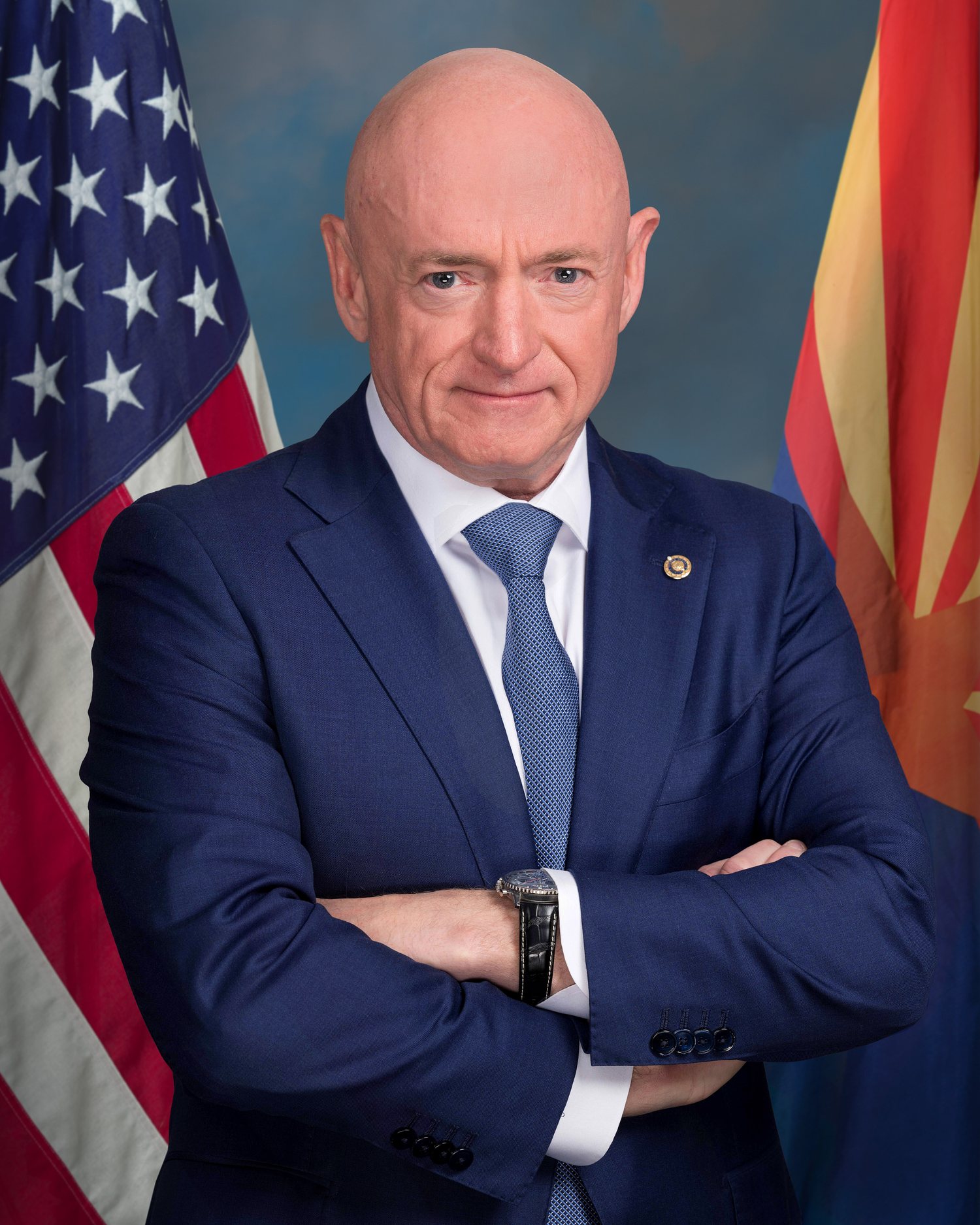
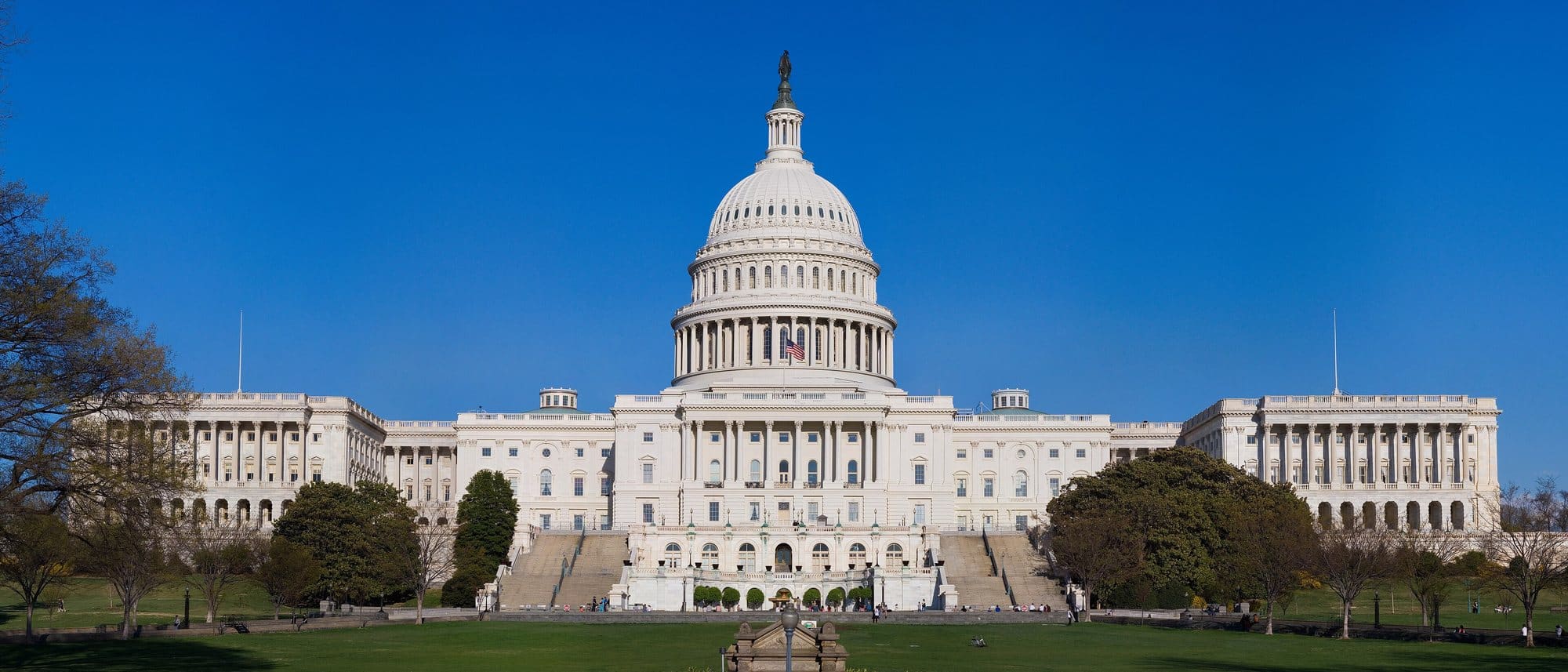
Two senators from opposite parties, Mark Kelly, an Arizona Democrat, and Tom Cotton, an Arkansas Republican, have introduced a bill that would pay states to keep phones out of classrooms. The UNPLUGGED Schools Grant Act, numbered S. 5620, was introduced on Sept. 30, 2026, and referred to the Senate Health, Education, Labor and Pensions Committee.
The bill has backing from the Anxious Generation movement and both national teachers’ unions, the American Federation of Teachers and the National Education Association, according to Kelly’s office. It has not had a committee hearing or a vote.
What the Bill Would Do
The bill would add a new grant program to the Elementary and Secondary Education Act. Money would go to states, not to individual schools or districts, and only to states that meet one condition: a policy that bars students from having or using personal electronic devices during school hours in every public elementary and secondary school in the state.
That is a higher bar than many current policies. A state with a patchwork of district rules would not qualify. The state’s policy has to be developed with school districts, in consultation with educators, parents and students, and it has to cover the full instructional day.
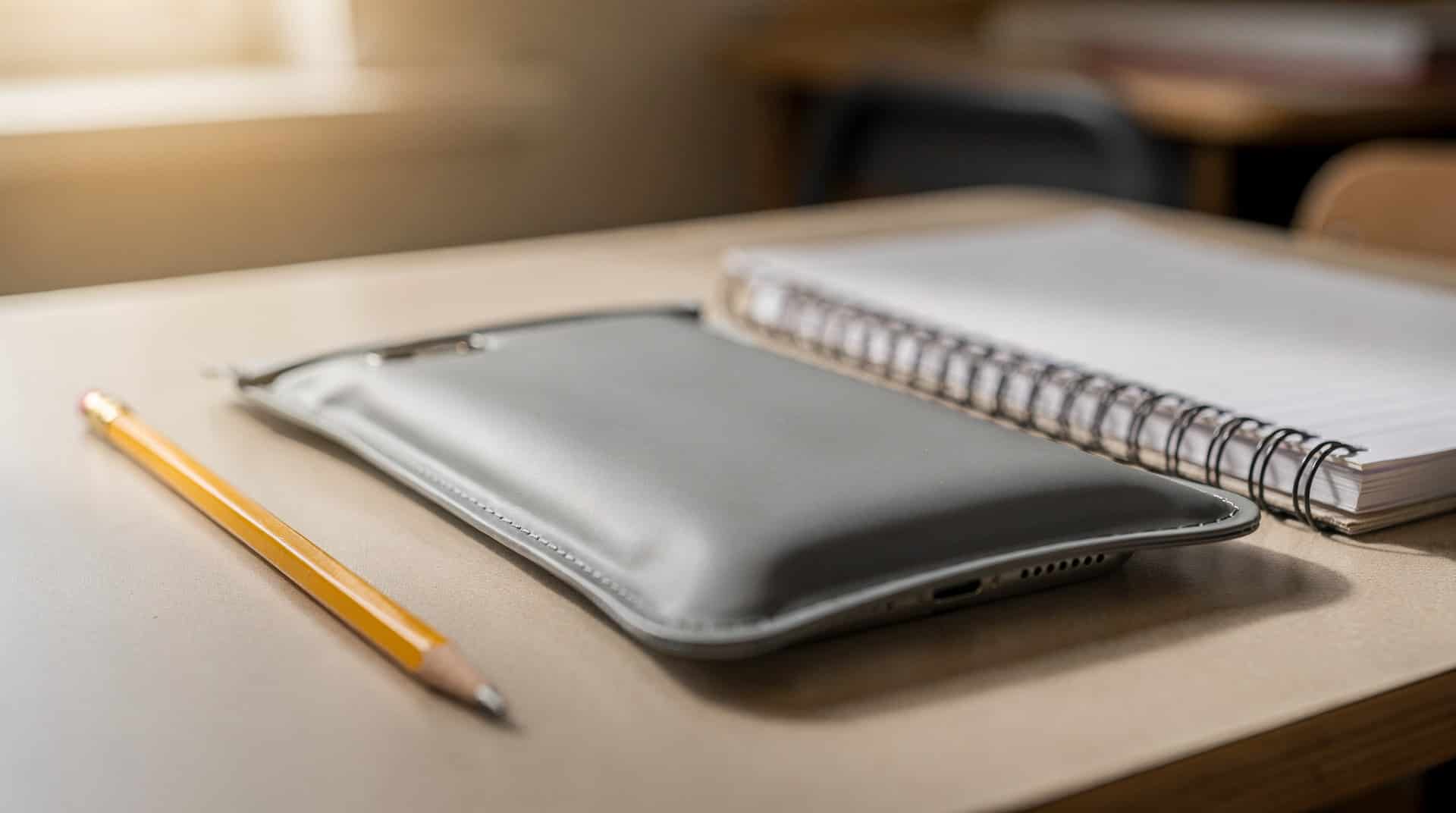
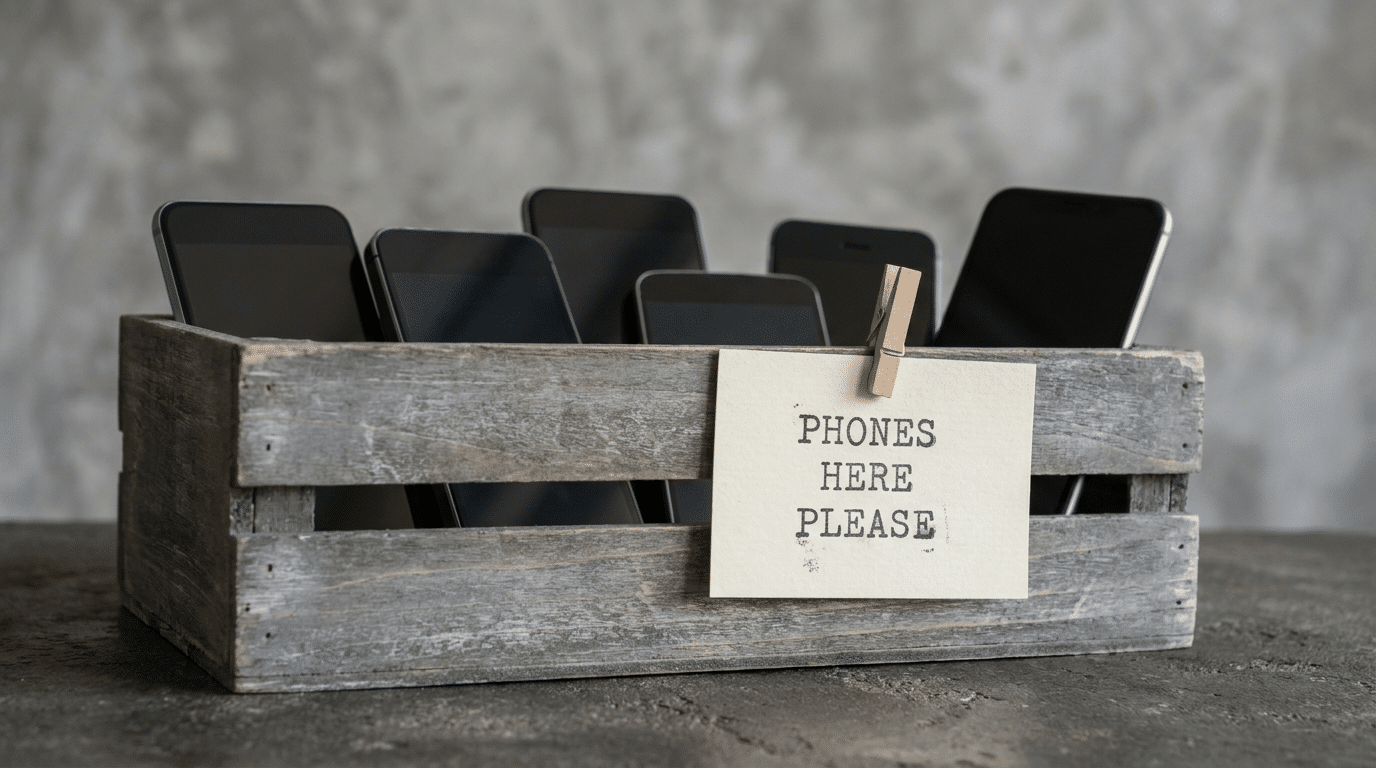
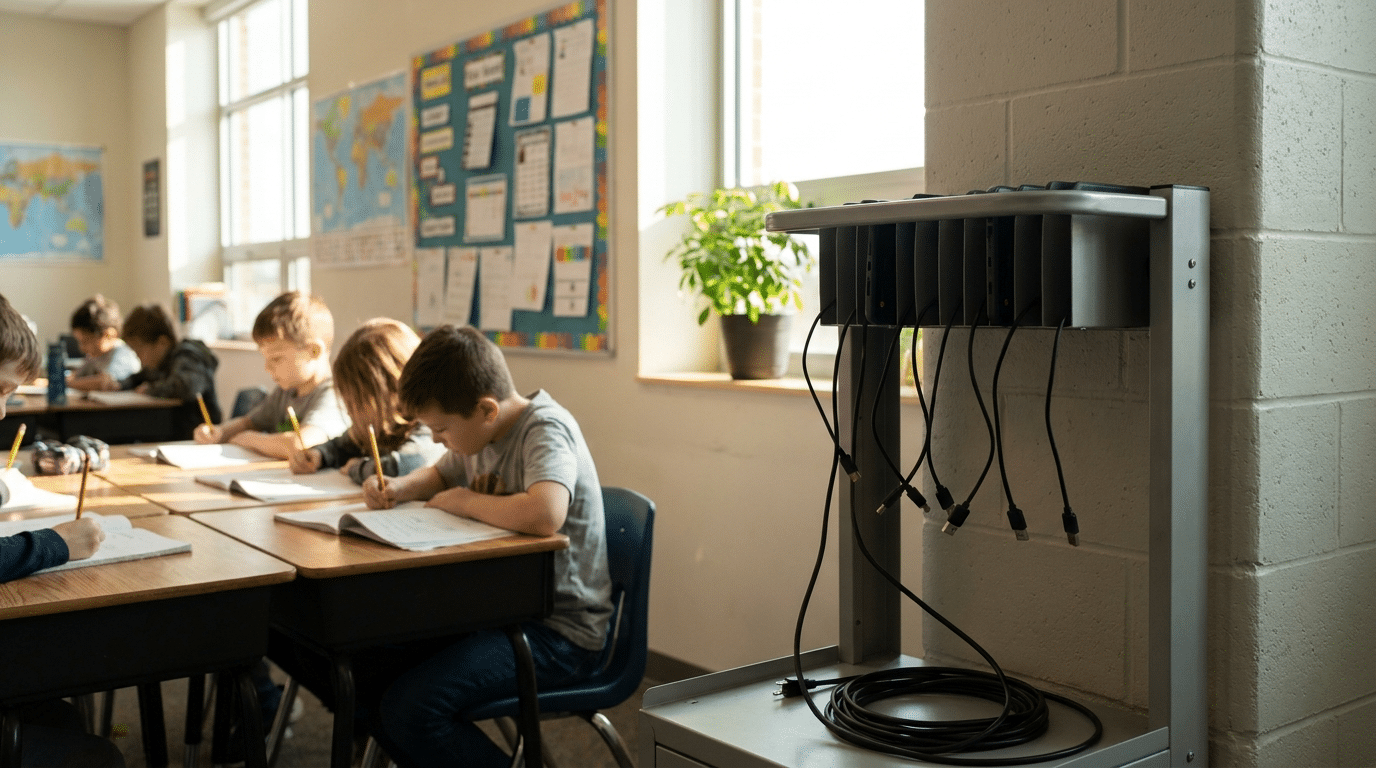
States that qualify could spend the money on enforcing the policy and on secure storage, such as lockers, lock boxes and magnetic or signal-blocking pouches. Funds would be divided using the same formula as part of Title I, with each state guaranteed at least half a percent of the total.
What Counts as a Device
The bill defines “personal electronic device” broadly. It covers cellphones, smartwatches, laptops, tablets and other wearable devices. It excludes school-issued laptops and tablets used only for instruction and restricted from social media and messaging. In practice, a district Chromebook would stay. A student’s own iPad would not.
The Exceptions
States must allow exceptions for students who need a device for a health condition certified by a medical provider, and for students whose individualized education program or Section 504 plan calls for one. States may also allow exceptions for English learners, for a demonstrated instructional need, and for other circumstances the state chooses.
To apply, a state must also show how parents can reach their children during the day through school staff, and how staff can contact parents and emergency responders. Emergency contact is a common worry when schools move to ban phones, and the bill writes it into the application.
How Much Money Is on the Table
None is set. The bill authorizes “such sums as may be necessary,” which leaves the amount to Congress’s appropriations process if the bill ever passes. Until then, there is no grant to apply for.
The bill would also direct the Education Department, working with the Department of Health and Human Services, to give technical assistance to states that ask for it. States could adopt stricter rules than the bill requires.
Where This Fits
Many states and districts have already moved on their own. Kelly’s office cited a finding that more than half of American public-school leaders report that phones are harming students. Internationally, the OECD’s PISA 2025 results found that nearly half of students across OECD countries now attend schools that ban phones on school grounds, up from about a third in 2022. Students in those schools reported less distraction from devices in class, but the OECD said the link to test performance is not clear.
The bill’s design makes one notable choice: it rewards a single statewide rule rather than school-by-school policies. States that prefer to leave phone rules to local districts would not be eligible.
What This Means for Teachers
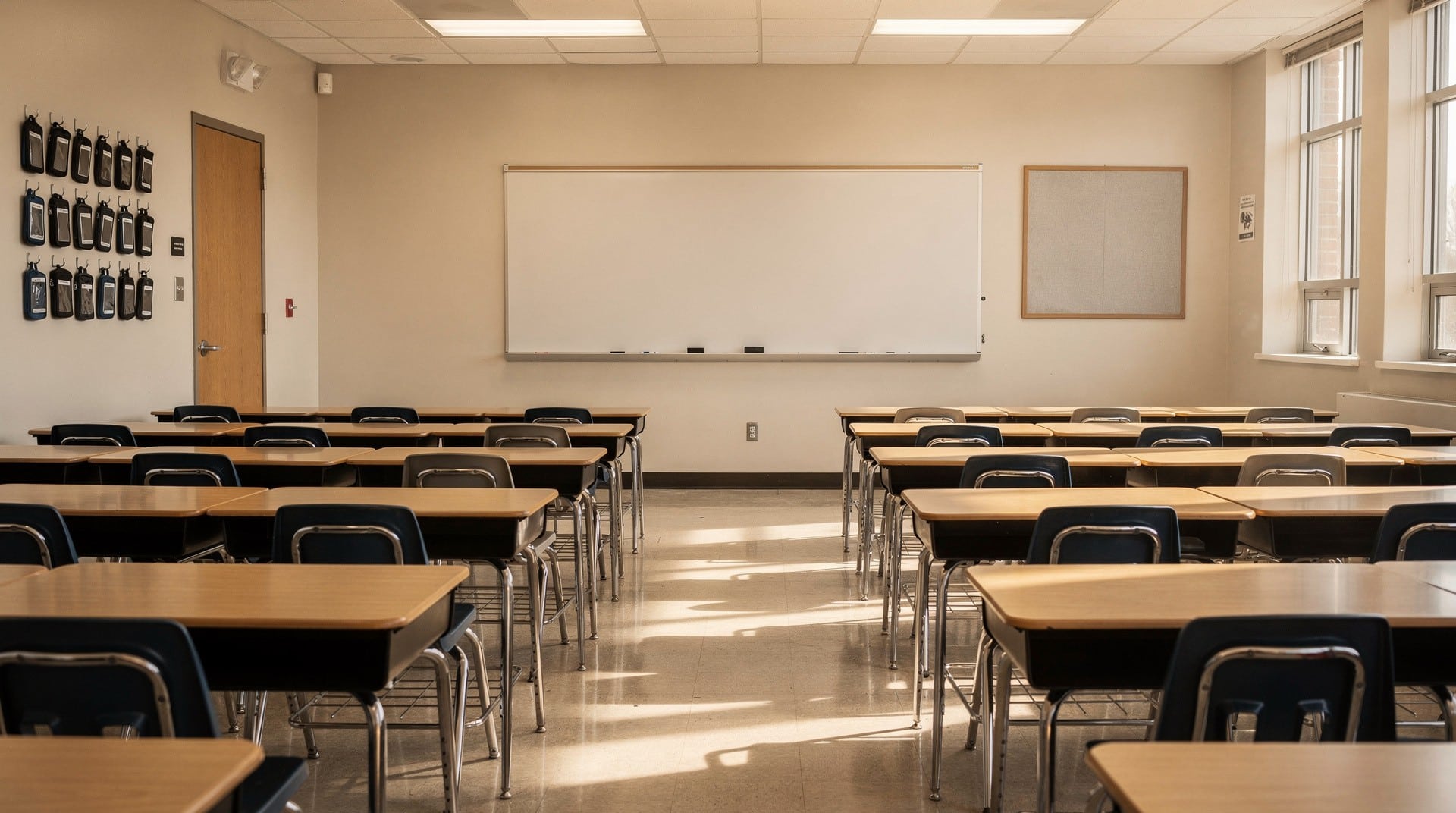
For now, nothing changes in classrooms. If the bill passed and Congress funded it, the practical effect for teachers would depend on their state. Teachers in states that already ban phones bell to bell might see money for pouches or lockers. Teachers in states without a statewide rule would only see a change if their legislature or state board decided the grant was worth adopting one.
Frequently Asked Questions
Is the UNPLUGGED Schools Grant Act law?
No. It was introduced in the Senate on Sept. 30, 2026, and referred to committee. It has not passed either chamber.
Does the bill ban phones in schools?
Not directly. It offers grants to states that adopt their own statewide ban covering every public school during school hours.
Would school-issued laptops be banned?
No. School-authorized devices used only for instruction and restricted from social media and messaging are excluded.
How much funding would states get?
The bill does not name an amount. It authorizes “such sums as may be necessary,” to be set later by Congress.
Are there exceptions for students with disabilities or medical needs?
Yes. States must allow exceptions for medical needs certified by a provider and for devices required by a student’s IEP or 504 plan.