
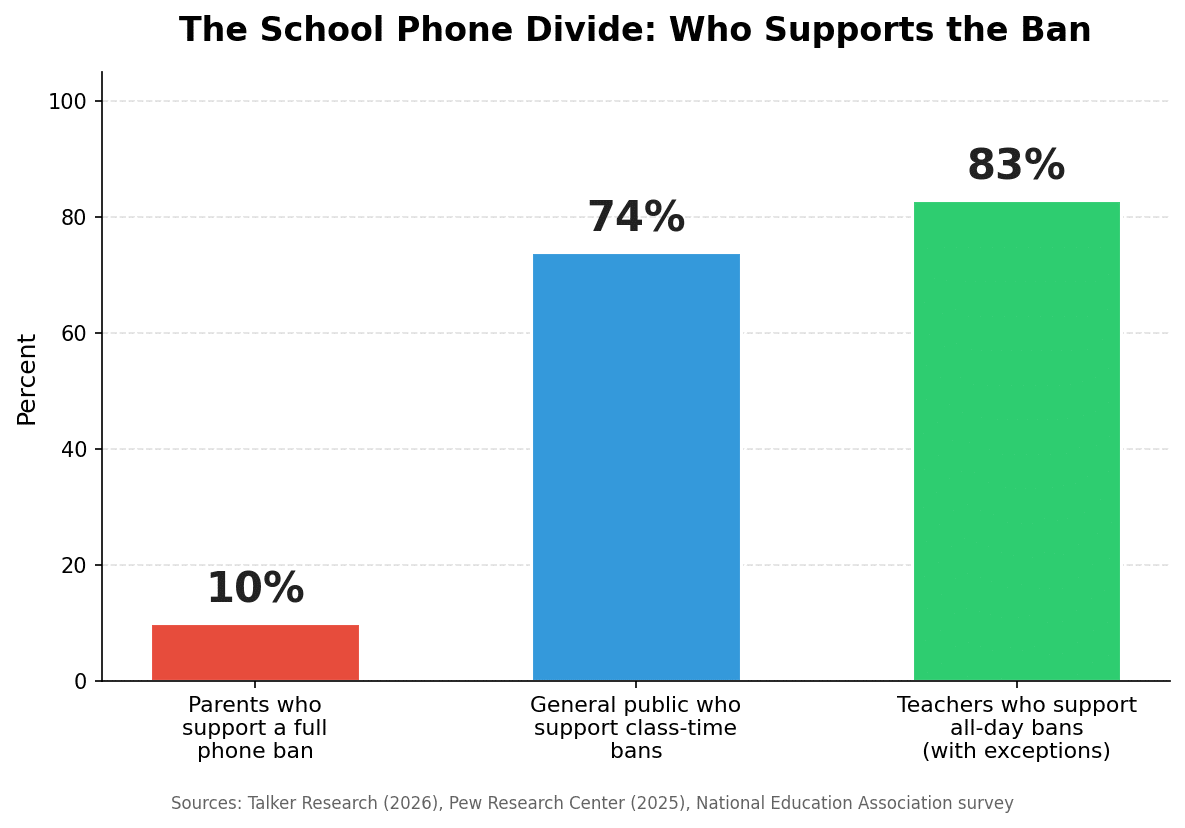
A new Talker Research survey found 90% of parents want their child to have phone access at school, even as more than 35 states adopt classroom cellphone bans — a gap that puts parents at odds with the general public (74% support class-time bans) and teachers (83% support all-day bans with exceptions).
When the Bell Rings, Who Actually Keeps the Phone?
More than 35 states have now passed some form of cellphone restriction for public schools, and the trend shows no sign of slowing. Lawmakers and administrators frame it as a simple fix: take the phones out of the classroom, and distraction, cyberbullying, and social media anxiety go down while focus goes up.
Parents are not so sure. As bans have rolled out from Florida to California, a very different number keeps showing up in survey after survey — one that suggests the people sending their kids to school every morning see this fight very differently than the people running the schools.
Why Parents Are Drawing a Line
The concern isn’t really about TikTok or texting in the back row. It’s about what happens if something goes wrong. Since a wave of school shooting scares and lockdowns over the past few years, parents have said, over and over, that a phone in their child’s pocket is a lifeline, not a distraction.
Keri Rodrigues, president of the National Parents Union, put it plainly after the group’s own survey on the issue: “When there are emergencies at school, being able to directly communicate with your child to ensure they are safe is critically important and too often schools are dropping the ball on effective communication.”
The Number Driving the Debate Right Now
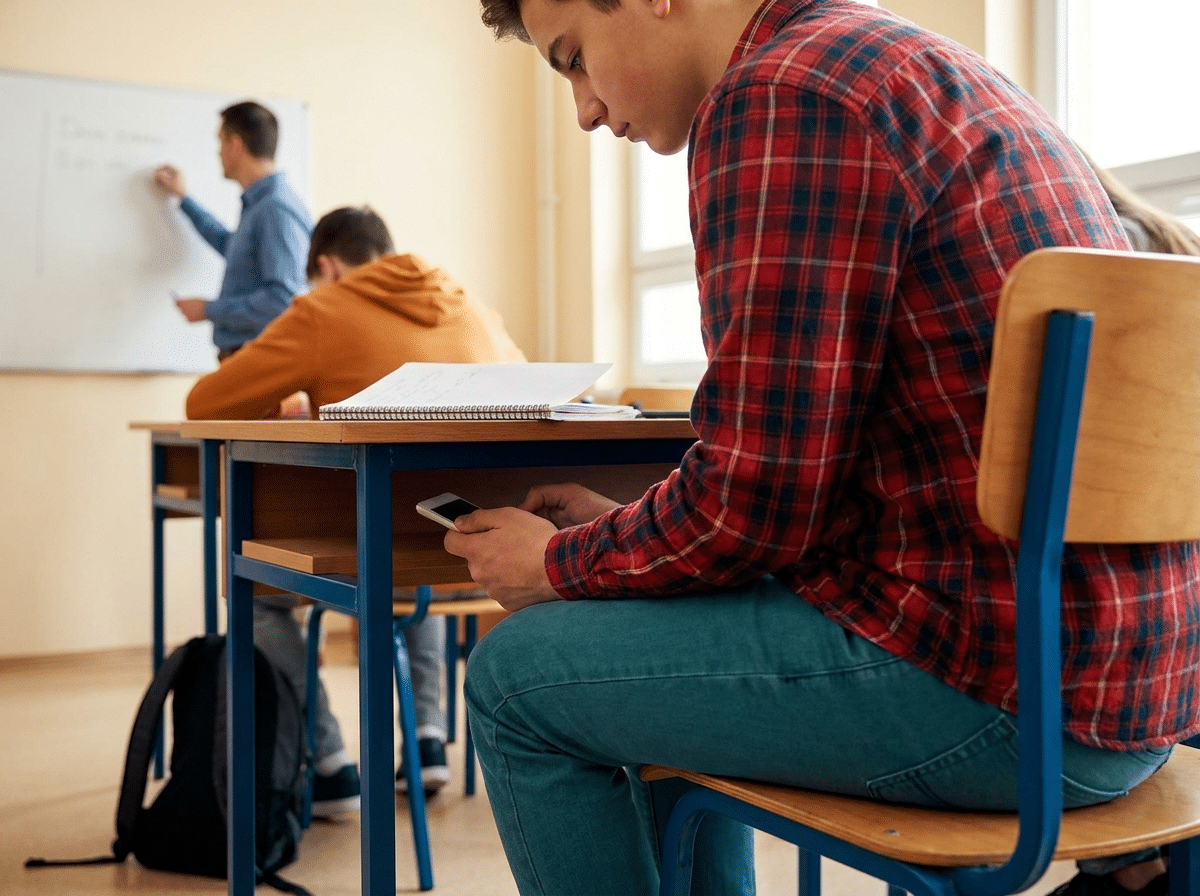
That sentiment isn’t fading — it’s growing. A new survey from Talker Research, conducted in May 2026 among 2,000 parents of school-aged kids, found that 90% of parents want their child to have access to a phone at school, even as more states adopt bans. Of that group, 60% say access should be strictly limited to emergencies, while the rest want more everyday flexibility.
Researchers are calling the underlying stress “techxiety” — the pull parents feel between wanting their kids protected from doomscrolling and distraction on one hand, and wanting a direct line to them in a crisis on the other.


What the Rest of the Country Says
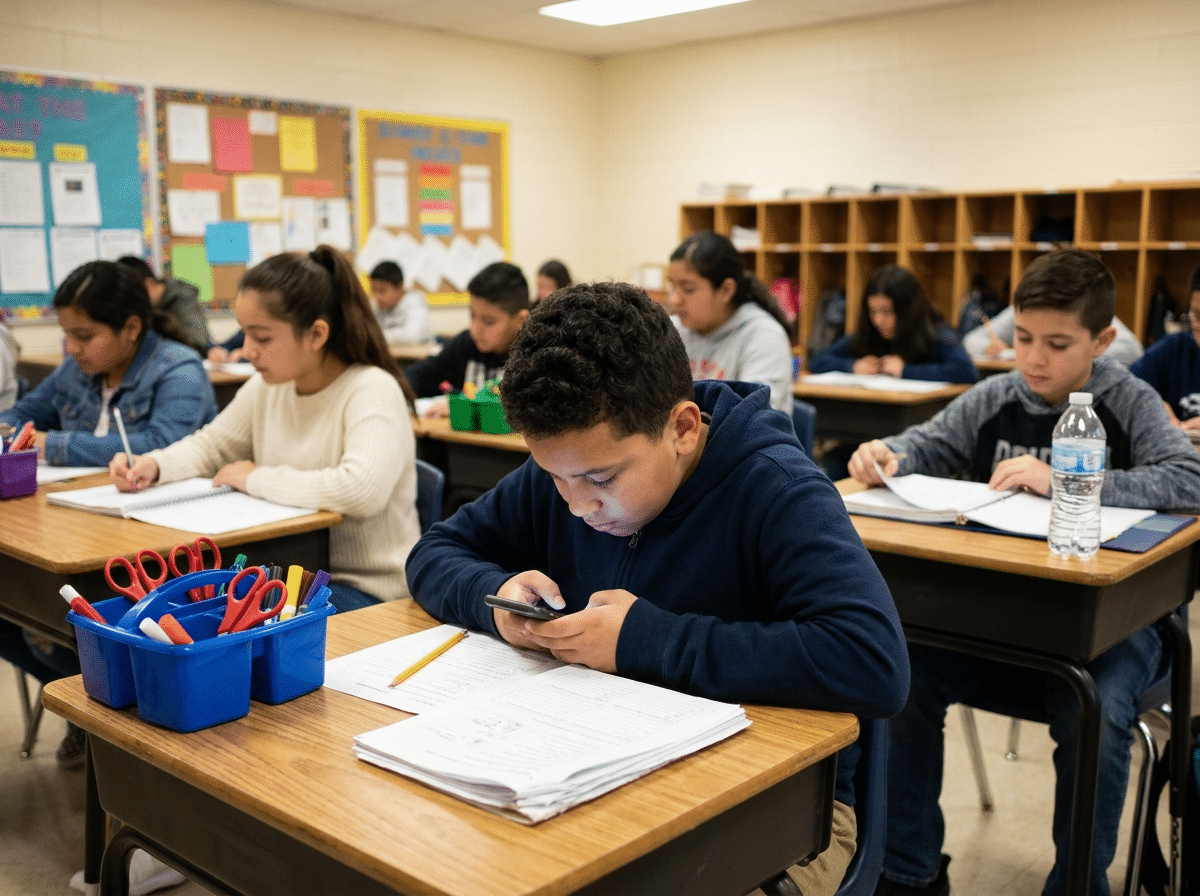
Parents aren’t alone in supporting some restrictions — they’re just far less enthusiastic about a total ban. According to Pew Research Center, 74% of U.S. adults now support banning cellphone use during class in middle and high schools, up from 68% just a year earlier. Only 19% oppose a class-time ban, with 7% unsure. Support drops off, however, for bans that cover the entire school day — just 44% of adults back that stricter approach.
Teachers, meanwhile, are the most supportive of tight restrictions. A national survey from the National Education Association found that 83% of educators support prohibiting phones for the entire school day, as long as there are exceptions built in for emergencies and medical needs. Support climbs even higher, to 90%, for bans that apply only during instructional time.
Parents are the clear outlier. Based on the same Talker Research survey, only about 10% would support a full ban with no phone access at all — the other 90% want some guarantee their child can be reached if something goes wrong.
Finding a Middle Ground
The numbers actually point to more agreement than the debate suggests. Almost nobody — parents, teachers, or the general public — wants phones out freely during lessons. Where the groups split is on the “off-ramp”: parents want a guaranteed way to reach their kid in a crisis, and teachers want a clean, enforceable rule that doesn’t leave room for negotiation mid-class.
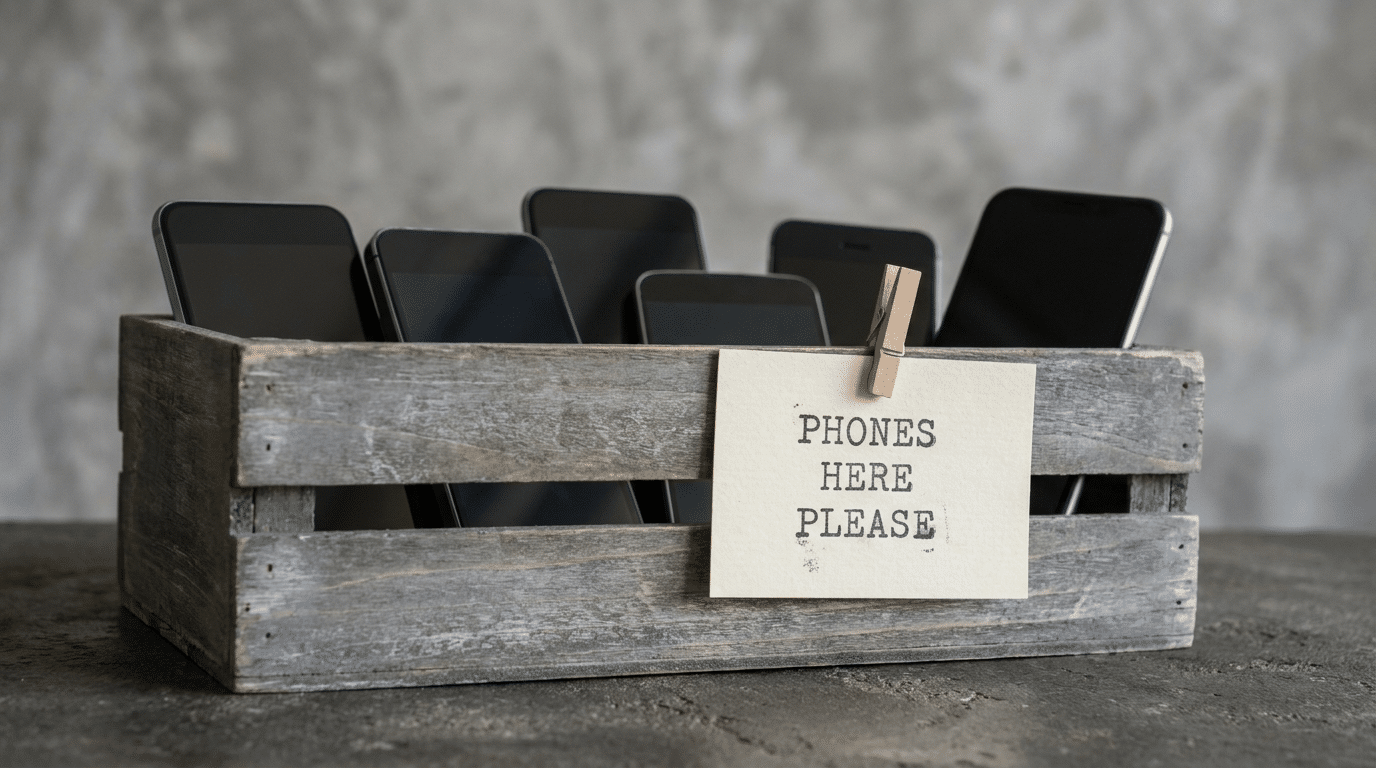
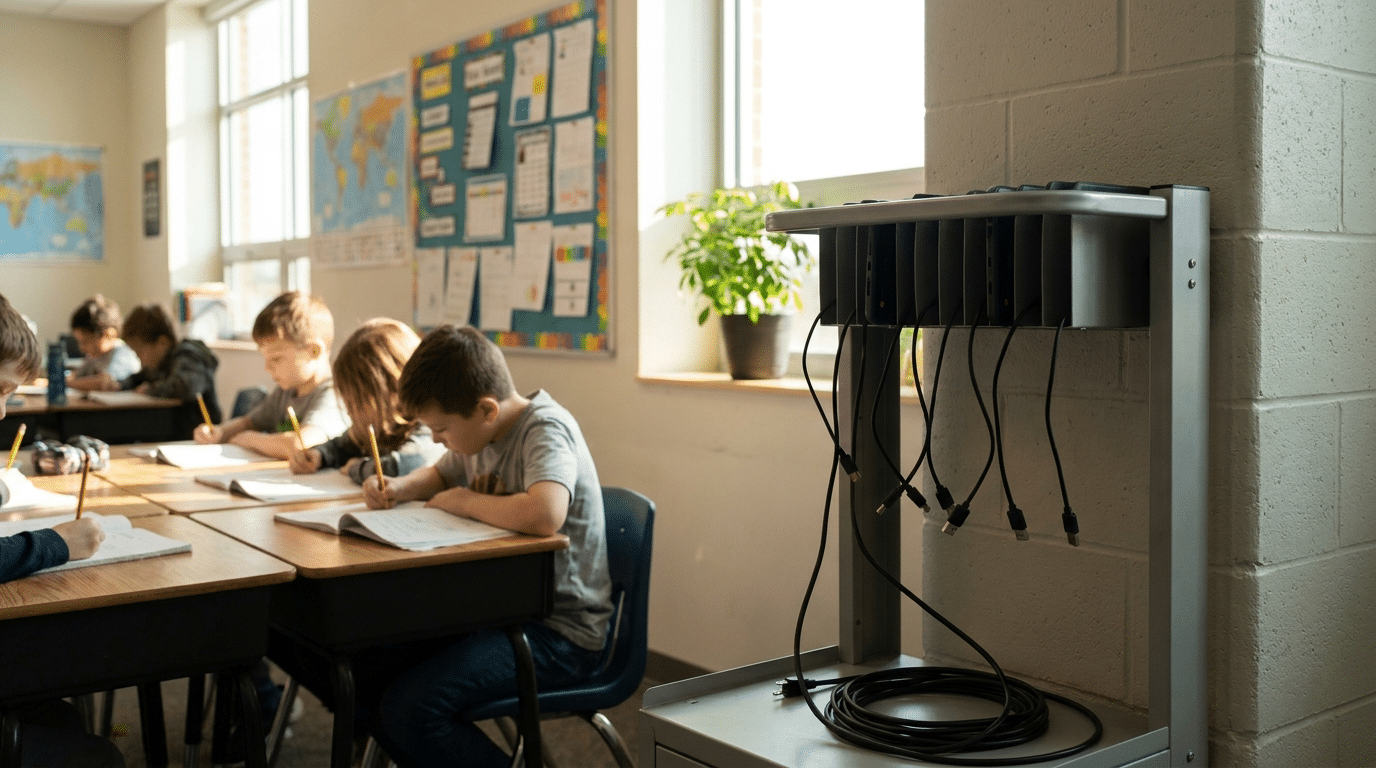
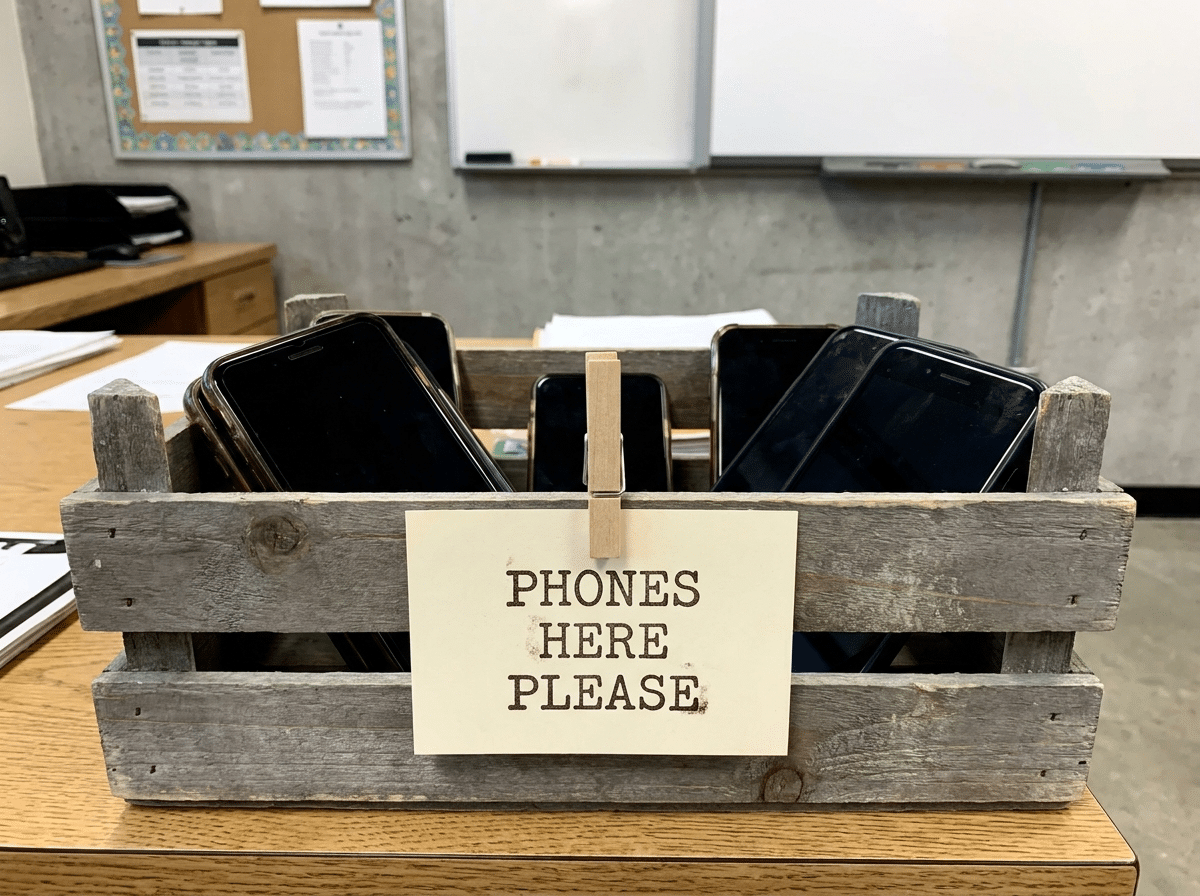
That’s why the compromise gaining the most traction isn’t a total ban at all. Many schools are landing on phone lockers, magnetic pouches, or “phone hotels” at the classroom door — devices stay on campus and reachable by staff, but out of students’ hands until the bell rings.
What to Watch Next
With more than 35 states now involved and both red and blue legislatures pushing similar bills, the policy itself isn’t really in question anymore — some form of restriction is coming to most classrooms. The open question is whether districts build in the kind of emergency access that keeps 90% of parents on board, or whether they risk a backlash by ignoring it. Expect more states to add explicit emergency-contact carve-outs to their bans as this data becomes harder to ignore.
Frequently Asked Questions
What percentage of parents want their kids to have phones at school?
90%, according to a May 2026 Talker Research survey of 2,000 parents of school-aged children. 60% of that group say access should be limited strictly to emergencies.
How many states have school cellphone bans?
More than 35 states have passed some form of cellphone restriction for public schools as of 2026.
Do teachers support school phone bans?
Yes — a National Education Association survey found 83% of teachers support banning phones for the entire school day (with emergency/medical exceptions), and 90% support restricting phones during instructional time specifically.
2 Responses
The “want” of one parent should not interfere with the need of another parent. Not all parents can allow students to be photographed for safety reasons. Allowing phone usage by students puts those students at risk. Those students need to be protected on a daily basis
it is easy to say when the parent hasn’t seen the negative impact. They should be required to shadow their student, to see the chaos.