
The Batesville School District in Arkansas installed 1,500 solar panels, turned a $250,000 budget deficit into a $1.8 million surplus, and used the savings to give every teacher a $15,000 pay raise.
In a groundbreaking initiative that has managed to turn sunlight into a tangible benefit for educators, a school district in Batesville, Arkansas has taken a bold step forward in using solar energy savings to increase teachers’ salaries by up to $15,000. This innovative approach not only underlines the potential of renewable energy in reducing operational costs but also highlights a creative solution to a persistent problem in the education sector: inadequate teacher compensation.
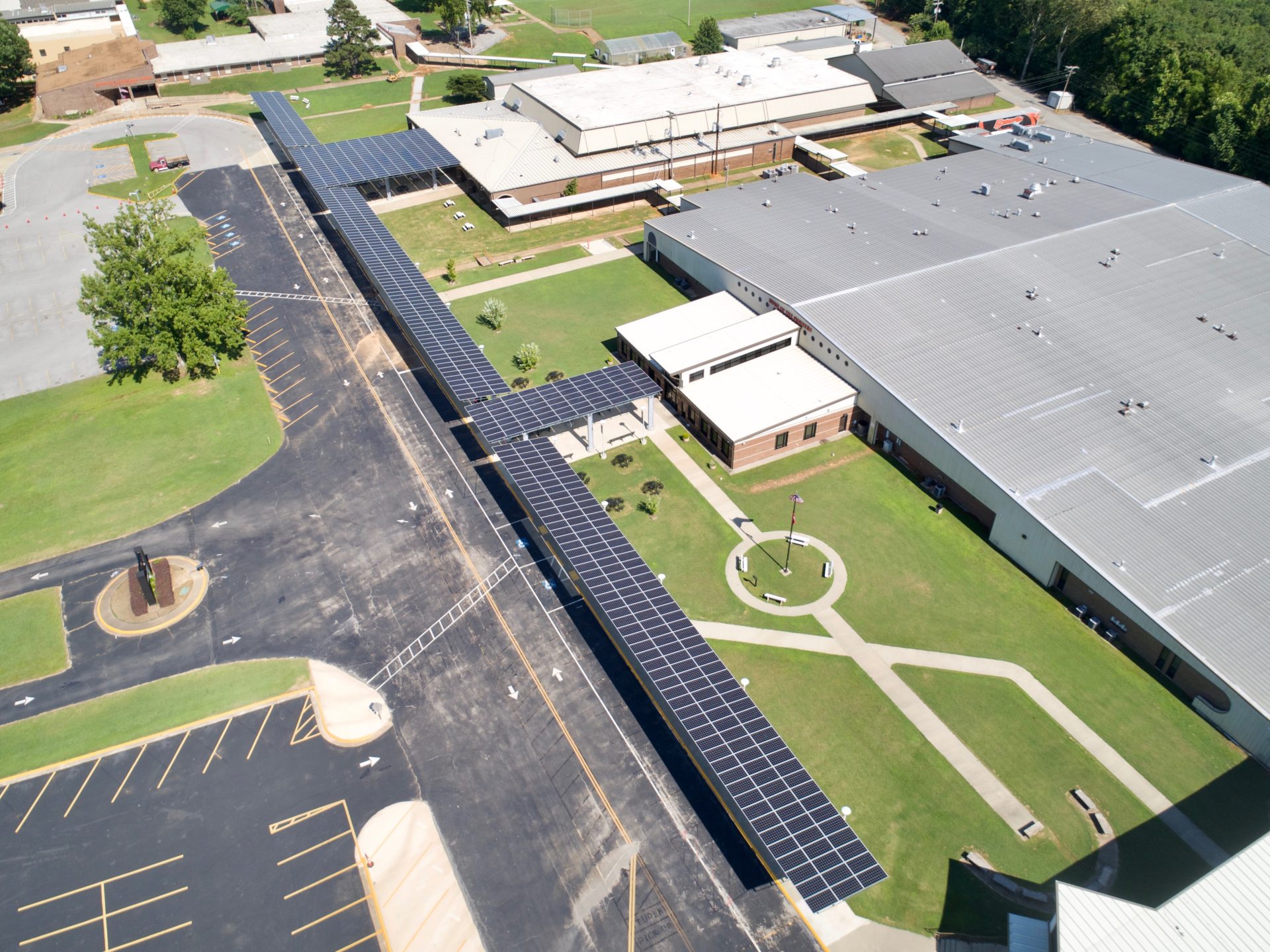
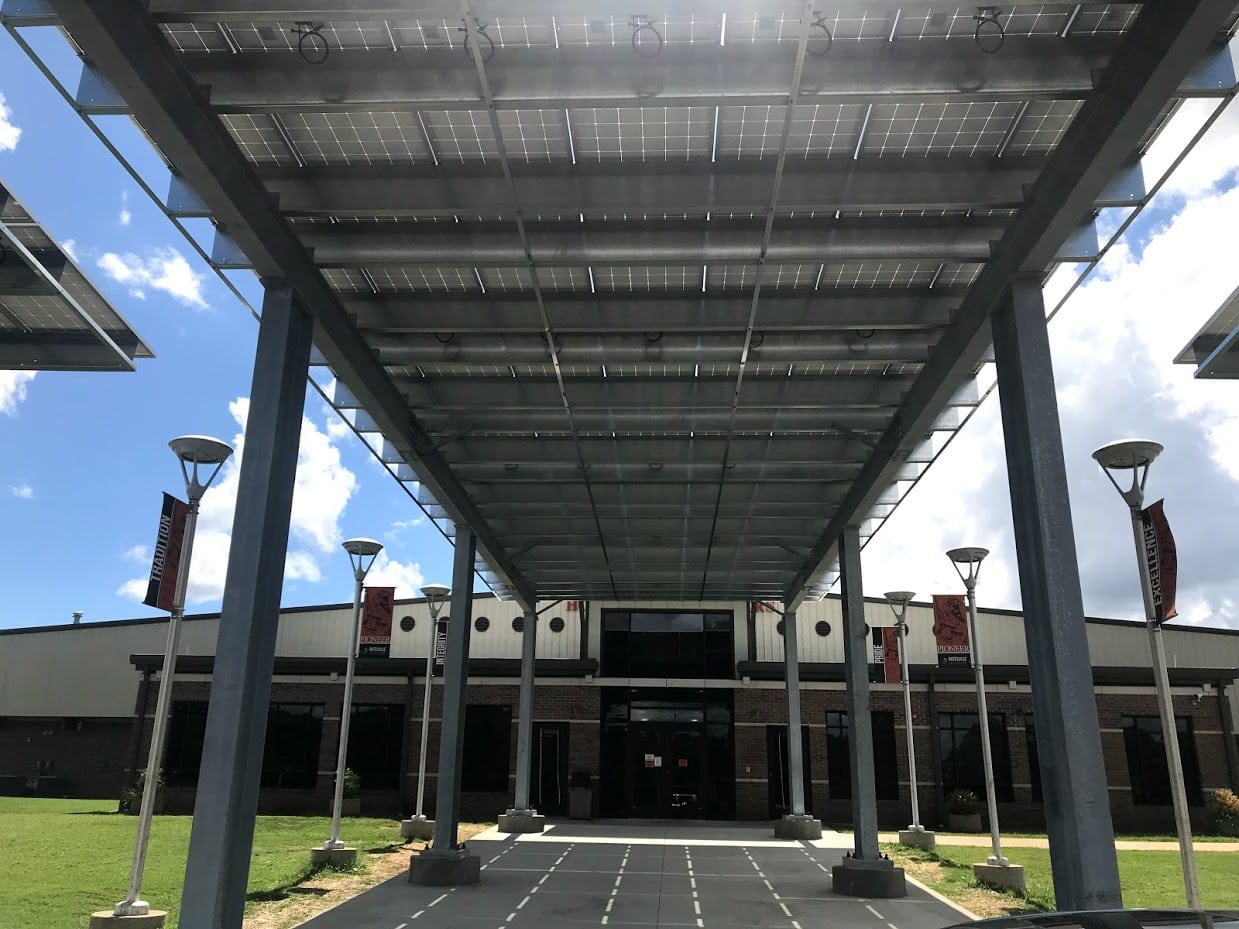
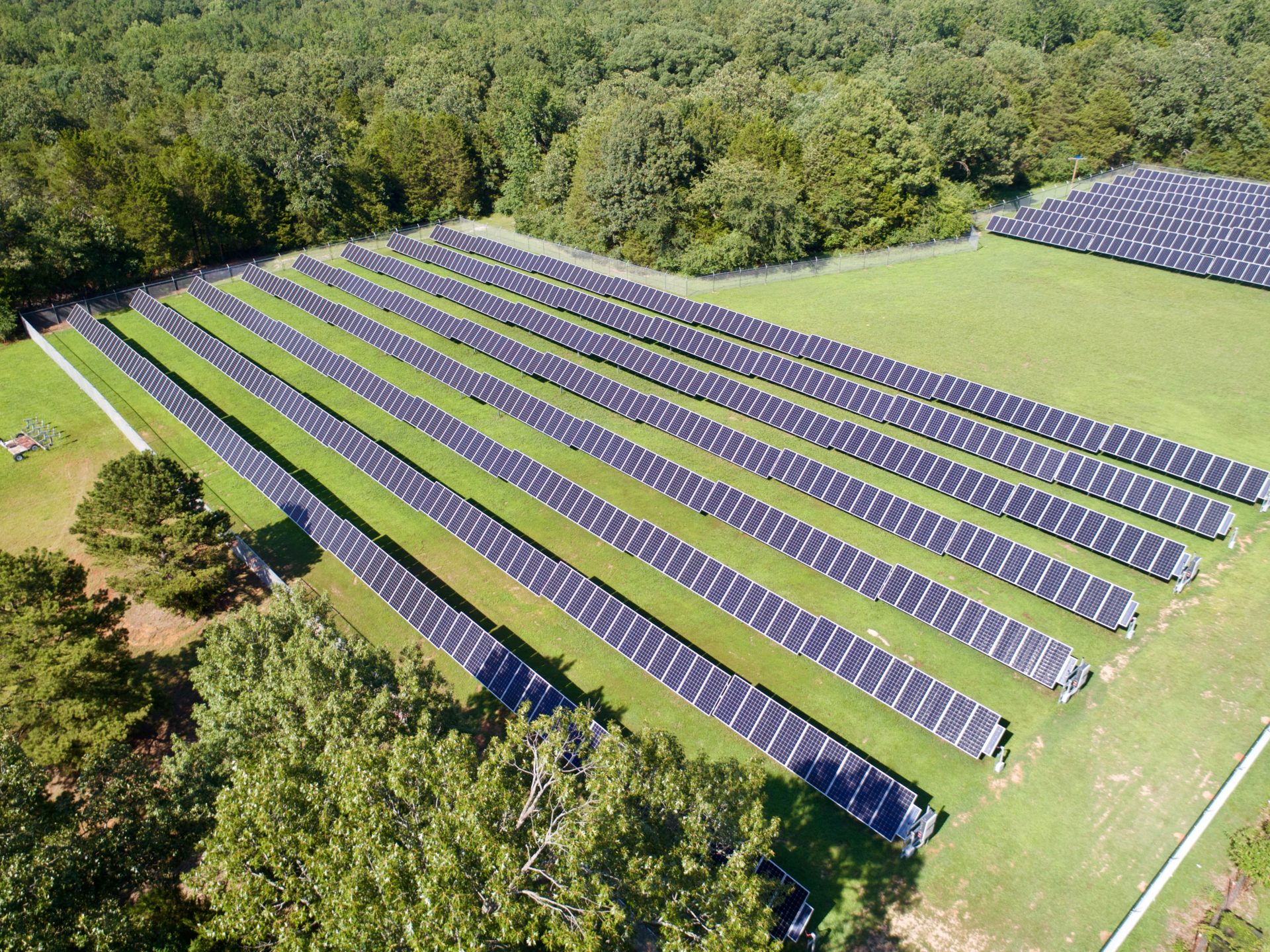
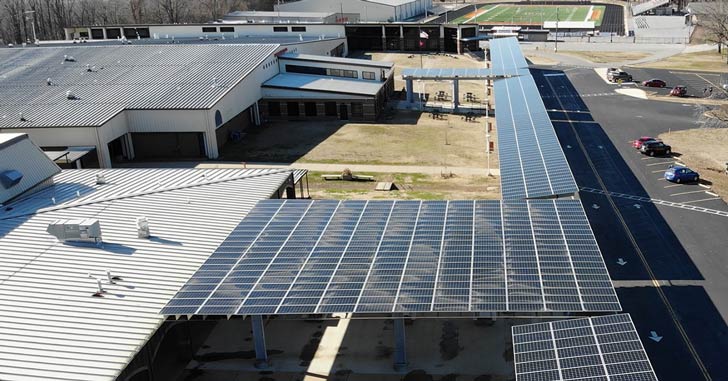
The Batesville School District, which serves approximately 3,200 students, decided to install around 1,500 solar panels. This move has significantly reduced the district’s energy expenses, allowing the saved funds to be redirected towards boosting teacher pay. Such a strategy not only supports sustainable practices but also addresses the critical issue of retaining and attracting quality educators.
“We were facing a crisis in terms of keeping our teachers,” said the district superintendent. “The savings from the solar panels allowed us to reward our teachers for their hard work and dedication.”

The Power of Solar: Financial and Environmental Benefits
Solar panels have emerged as a dual boon, offering both environmental and financial advantages. For Batesville, the decision to harness solar power was initially driven by a need to cut operational costs. The installation of solar panels led to significant savings on electricity, effectively reducing the district’s utility bills.
Prior to this initiative, the school’s electricity costs were a major financial burden — the district had accumulated a $250,000 budget deficit. Since the installation, costs have seen a drastic reduction. The project is projected to save the district $2.4 million over 20 years, transforming that deficit into a $1.8 million surplus. This enabled the district to reallocate resources in a way that directly benefits the teaching staff, a move that has garnered praise and admiration from educators and community members alike.
The switch to solar has not only lightened the financial load but has also served as a powerful educational tool for students. The panels provide a real-world example of renewable energy’s benefits, integrating practical lessons in sustainability into the curriculum.


Teachers at the Heart: Impact and Reactions
The impact of the salary raises has been profound, providing financial relief and boosting morale among teachers. For many, the increase in pay represents more than just a financial benefit; it signifies recognition and appreciation for their tireless efforts in educating the next generation. With salaries previously averaging around $45,000, many teachers had been working second jobs just to make ends meet.
One teacher, reflecting on the raise, expressed gratitude and hope for the future. “It’s not just about the money,” she said. “It’s about feeling valued and knowing that our community supports us.”
The raises have also contributed to a renewed sense of stability and commitment within the teaching staff. The ability to offer competitive salaries has helped the district retain talented educators who might otherwise have sought opportunities elsewhere — and the school is now seeing an increase in teacher applications and far fewer resignations.
This innovative approach has set a precedent for other districts grappling with similar challenges. It demonstrates that with creativity and a willingness to embrace change, it is possible to address long-standing issues in education funding.

A Model for the Future: Lessons Learned
The success of Batesville’s solar initiative offers valuable lessons for other school districts considering similar projects. The key takeaway is the potential of renewable energy to provide sustainable financial solutions while supporting environmental goals.
For districts facing budget constraints and struggling to maintain competitive teacher salaries, the Batesville model presents a viable path forward. It encourages a rethinking of resource allocation, prioritizing investments that offer long-term savings and benefits. At least 20 other regional school districts have already adopted the model.
The Batesville School District’s experience underscores the importance of visionary leadership and community support in driving innovative change. By taking calculated risks and embracing new technologies, schools can create a positive impact that extends beyond their immediate environment.
As more districts look to replicate Batesville’s success, the hope is that this approach will inspire widespread adoption of renewable energy solutions, ultimately leading to a more sustainable and equitable education system.
In conclusion, Batesville has shown that with the right strategy and commitment, schools can harness the power of the sun not just to illuminate classrooms, but to brighten the futures of their educators and, by extension, their students.
Frequently Asked Questions
How did Batesville pay for teacher raises with solar panels?
The district installed roughly 1,500 solar panels, which is projected to save $2.4 million over 20 years — turning a $250,000 budget deficit into a $1.8 million surplus that funded the raises.
How much did teacher pay increase?
Up to $15,000 per teacher, a significant jump from salaries that previously averaged around $45,000.
Have other districts copied this model?
Yes — at least 20 other regional school districts have adopted a similar solar-funded approach to teacher compensation.