

Boston’s four-year graduation rate hit a record 81.3% in 2026, up from 59.1% in 2006, after the district banned F grades and expanded credit-recovery programs — but standardized test scores have stayed flat or declined over the same period.
Boston Public Schools have achieved a historic milestone after taking the controversial step to ban F grades — and the graduation numbers are striking. Mayor Michelle Wu and Schools Superintendent Mary Skipper announced that 81.3% of BPS students graduated high school within four years in 2026, up from 59.1% back in 2006. This remarkable achievement reflects years of policy changes and community support aimed at ensuring student success. But critics say the numbers tell only part of the story.

Graduation Rate Success
The latest data shows that Boston’s four-year graduation rate has reached 81.3%, up dramatically from 59.1% in 2006. The improvement has been particularly notable among historically underserved groups: low-income student graduation rates rose 12% between 2017 and 2025, while English Language Learners (ELL) saw a 21% increase over the same period. City officials celebrated the news, with Mayor Wu calling it a testament to years of dedicated work by teachers, administrators, and families.
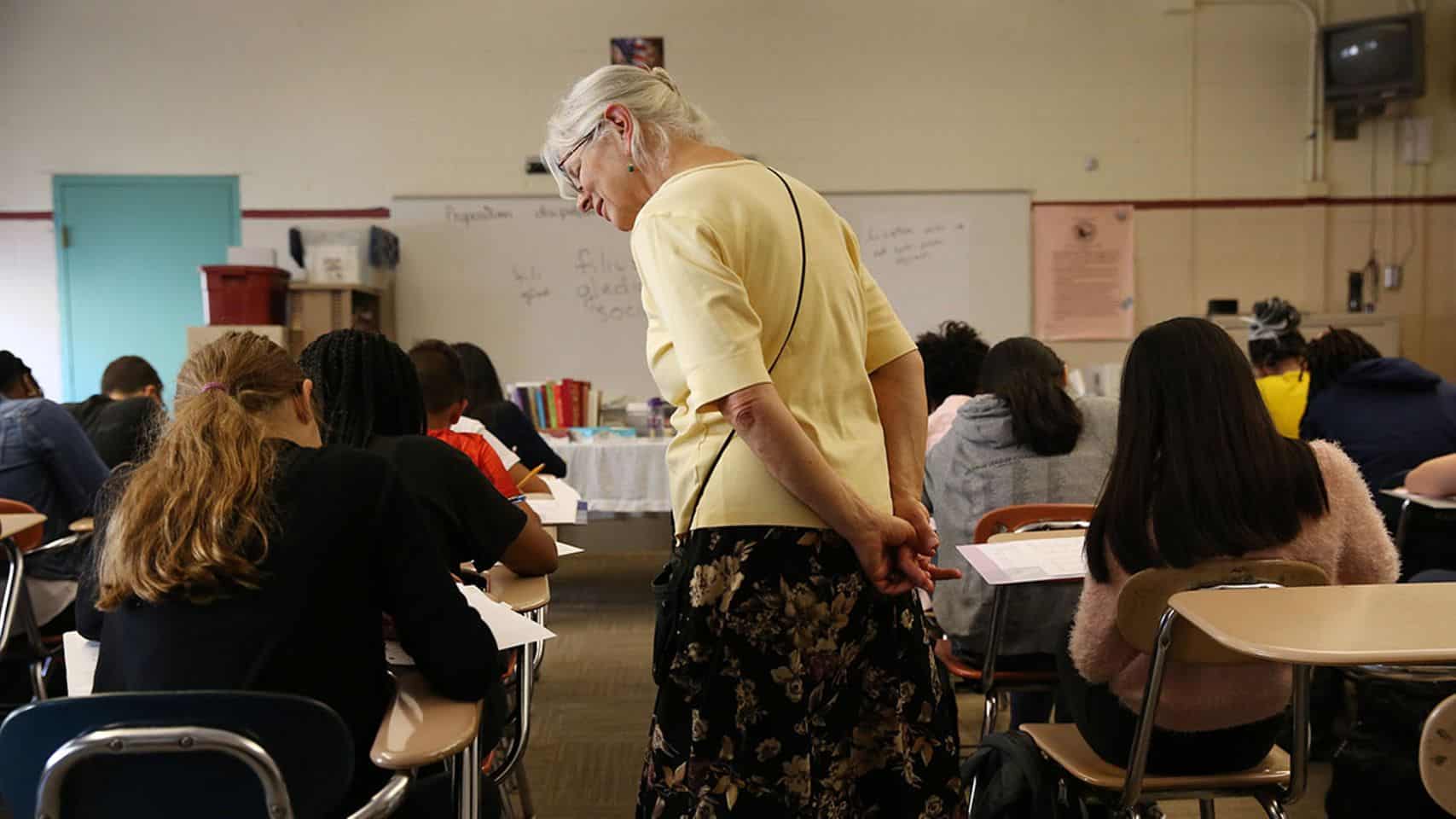
Why Boston Schools Ban F Grades
One of the most significant shifts in Boston’s education system has been the decision to ban the grade ‘F’. Starting in the 2021–22 school year, the district prohibited teachers from issuing “No Credit” grades, replacing them with “Incomplete” marks to support what officials called “equitable learning recovery.” Boston spent at least $120,000 on an educational consulting group that advocates for “equitable grading policies” to implement the change.
The district also expanded credit recovery programs, which allow students to retake failed courses. A 2012 BPS analysis found that online credit-recovery alone boosted the graduation rate by 4.8 percentage points. Critics point to a 2018 audit in Brooklyn that found 96% of make-up courses in that district awarded credits inappropriately — raising questions about whether credit recovery reflects genuine academic mastery.
Test Scores Tell a Different Story
Despite the headline graduation figures, standardized test data paints a more complicated picture. SAT scores among Boston students have remained essentially flat even as graduation rates soared. On the state’s MCAS assessment, only about 40% of Boston 10th-graders met reading and math expectations in 2025 — a figure that has actually declined since 2019.
The numbers are even more stark for vulnerable groups. Less than one-third of low-income students are MCAS proficient, and fewer than 10% of English Language Learners meet proficiency standards in reading and math. More troublingly, low-income students’ math scores declined 5% between 2017 and 2025 — the same period their graduation rates rose sharply. ELL reading and math scores dropped 9–13% over the same stretch.


Education Quality Concerns
Critics argue the gap between rising graduation rates and stagnant or falling test scores suggests the improvement is largely a statistical artifact of policy changes rather than genuine academic gains. They warn that students may be leaving high school with diplomas but without the skills needed for college or the workforce. This sits uncomfortably alongside a growing concern at the other end of schooling, where even kindergarteners are now facing academic expectations once reserved for much older children.
The concern deepened in 2024 when Massachusetts eliminated the MCAS passage requirement for high school graduation entirely. The Massachusetts Teachers Association spent $2.4 million on a ballot initiative to remove the requirement — a campaign that later resulted in a disclosure violation penalty. Supporters argued the test “does not truly measure the breadth and depth” of academic standards, while opponents say removing it further detaches the diploma from any meaningful benchmark.
Student Impact
For many students, the new grading system has been a lifeline. Stories of resilience and determination abound, with numerous teens crediting the supportive environment for their ability to graduate on time. Programs offering tutoring, mentorship, and flexible deadlines have made a tangible difference — particularly for students dealing with housing instability, family hardship, or language barriers.
The debate ultimately comes down to what a high school diploma should represent. Supporters of the policy changes argue that keeping students engaged and in school is itself a meaningful achievement that opens doors. Critics counter that a diploma that doesn’t reflect academic readiness may end up closing more doors than it opens — leaving graduates underprepared for college placement tests or entry-level job requirements.
As Boston celebrates this historic graduation rate, the focus now shifts to what comes next. The city must grapple with whether the policies that boosted graduation numbers are truly serving students in the long run. Sustaining progress while restoring academic rigor — and honestly measuring both — will be the real test of Boston’s commitment to its students.
Frequently Asked Questions
Why did Boston Public Schools ban F grades?
Starting in the 2021–22 school year, BPS replaced “No Credit” grades with “Incomplete” marks as part of a policy officials called “equitable learning recovery.” The district spent at least $120,000 on a consulting group to help implement the change.
Did test scores improve along with the graduation rate?
No. Only about 40% of Boston 10th-graders met MCAS reading and math expectations in 2025 — a decline since 2019 — even as the district’s graduation rate climbed to a record 81.3%.
Is the MCAS still required to graduate in Massachusetts?
No. Massachusetts voters eliminated the MCAS passage requirement for high school graduation in 2024, following a $2.4 million ballot campaign by the Massachusetts Teachers Association.