Starting preschool can be an exciting and scary experience for young children.
One way to do this is by using getting to know you activities for preschoolers.
These activities not only help children feel more comfortable in their new setting, but they also foster social and emotional development by encouraging children to share their thoughts and feelings with others.
We will explore some fun and engaging “getting to know you” activities that are perfect for kids.
“My Family” Collage –

Have children bring in pictures of their family members and create a collage. This activity promotes creativity, family values, and fine motor skills.
Related: 20 Preschool Activities About Family
Memory Game –
Have children say their name, favorite food, and favorite color, and have the rest of the group repeat it back to them. This activity promotes memory skills and helps children learn their peers’ names.
Sharing Circle –
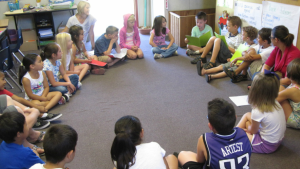
Have children bring in an item from home that is important to them and share why it’s important to them. This activity promotes communication skills, encourages sharing and listening, and allows for connections to be made.
“All About Me” Booklet –
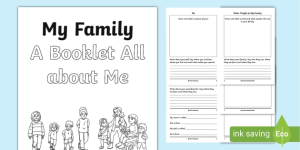
Have children fill out a booklet with information about themselves such as their favorite things and their family members. This activity promotes language and literacy skills, as well as self-awareness and self-expression.
“Friendship Bracelets” –
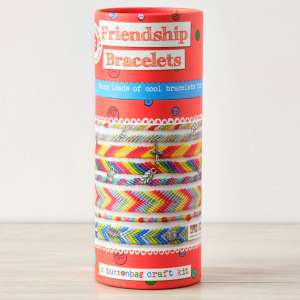
Have children create bracelets for one another, and they have to share something about themselves while creating the bracelet. This activity promotes creativity, friendship skills, and fine motor skills.
Related: Preschool Activities about Friendship: Building Lifelong Bonds
“Meet and Greet” –
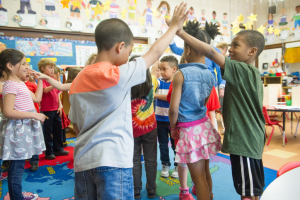
Have children stand in a circle and toss a ball or stuffed animal to one another, saying their name and something they like. This activity promotes physical coordination, and attention skills, and helps children learn each other’s names.
“What’s in the Bag?” –
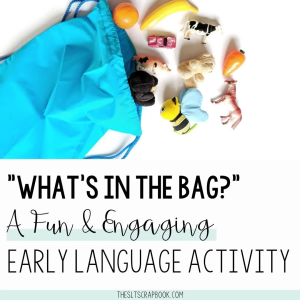
Have children bring in a small item from home and place it in a bag. Then have the children take turns reaching in the bag and guessing who brought the item. This activity promotes cognitive skills, problem-solving, and communication skills.
“Emotion Charades” –
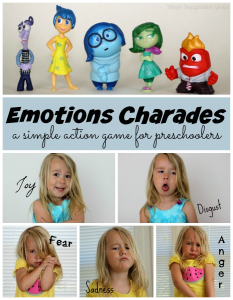
Have children act out different emotions, and the rest of the group has to guess what the emotion is. This activity promotes emotional intelligence, social skills, and communication skills.
“Show and Tell” –
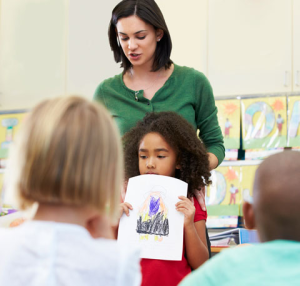
Have children bring in an item that they would like to share with the class, such as a toy, book, or picture. This activity promotes confidence, and communication skills, and allows children to express themselves.
“Story Time” –
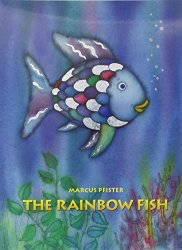
Read a book that promotes inclusion and friendship, such as “The Rainbow Fish,” and have a discussion about the importance of being kind and accepting of others. This activity promotes language and literacy skills, and social-emotional development, and teaches important values.
“Classroom Scavenger Hunt” –
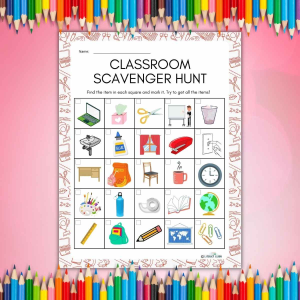
Have children search for items in the classroom, such as the pencil sharpener or the reading corner. This activity promotes cognitive skills, teamwork, and attention to detail.
“Musical Chairs Introductions” –
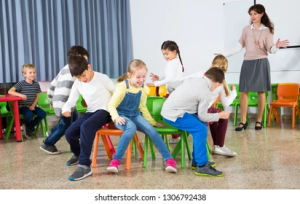
Have children walk around the room to music, and when the music stops, they must find a partner and introduce themselves. This activity promotes social skills, physical coordination, and listening skills.
“Self-Portrait” –
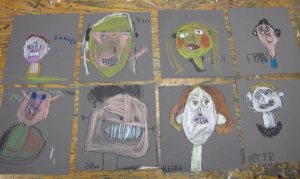
Have children draw a picture of themselves and share it with the class. This activity promotes self-expression, creativity, and fine motor skills.
“Mystery Box” –
Have children take turns putting an item in a box, and the rest of the group must guess what it is. This activity promotes cognitive skills, problem-solving, and communication skills.
“Name Train” –

Have children stand in a line and say their names while holding hands with the person next to them. This activity promotes physical coordination, listening skills, and learning names.
“ABC Game” –
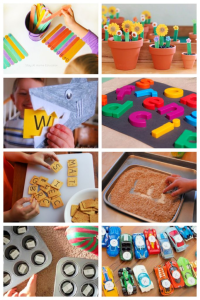
Have children take turns saying their name and an animal or food that starts with the next letter of the alphabet. This activity promotes language skills, memory skills, and creativity.
“Favorite Song” –
Have children share their favorite song and dance to it together as a group. This activity promotes social skills, and physical coordination, and allows children to share their interests.
“Animal Charades” –
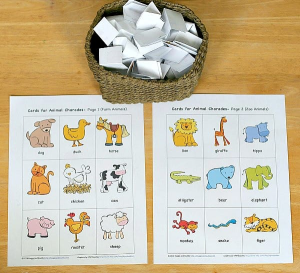
Have children act out different animals, and the rest of the group has to guess what animal it is. This activity promotes physical coordination, social-emotional development, and communication skills.
“Guess Who?” –
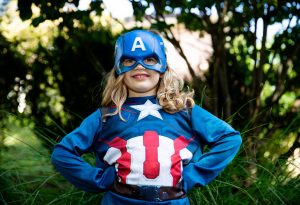
Have children draw a picture of their favorite character or superhero, and the rest of the group must guess who it is. This activity promotes creativity, cognitive skills, and problem-solving.
“Sensory Play” –
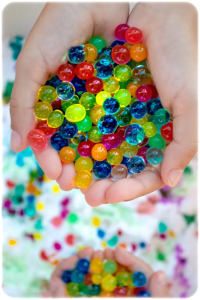
Provide different materials for children to explore, such as playdough or water beads. This activity promotes sensory development, fine motor skills, and creativity.
Conclusion
By engaging in these activities, children learn valuable social and emotional skills, such as empathy, communication, and cooperation. These skills are crucial for their success both in and out of the classroom.
So, whether it’s through games, songs, or art projects, there are many fun and creative ways to help preschoolers get to know each other and build strong, lasting relationships.