
Minnesota teachers with 30 years in can now retire at 60 with a much smaller cut to their monthly pension than before. The change took effect in 2025, and it is still not free. Here is what it costs, who qualifies, and how it differs from the separate return-to-work law passed in May 2026.
What Minnesota Changed for Long-Career Teachers
For years, Minnesota teachers who wanted to leave before 65 without taking a steep hit had to wait until 62 and have 30 years of service. Teachers called that path “62-and-30.” The 2025 Omnibus Pension and Retirement Bill moved the line to age 60. Members of the Teachers Retirement Association (TRA) who are 60 and have 30 years of service now qualify for the enhanced early-retirement calculation, known as “60-and-30.”
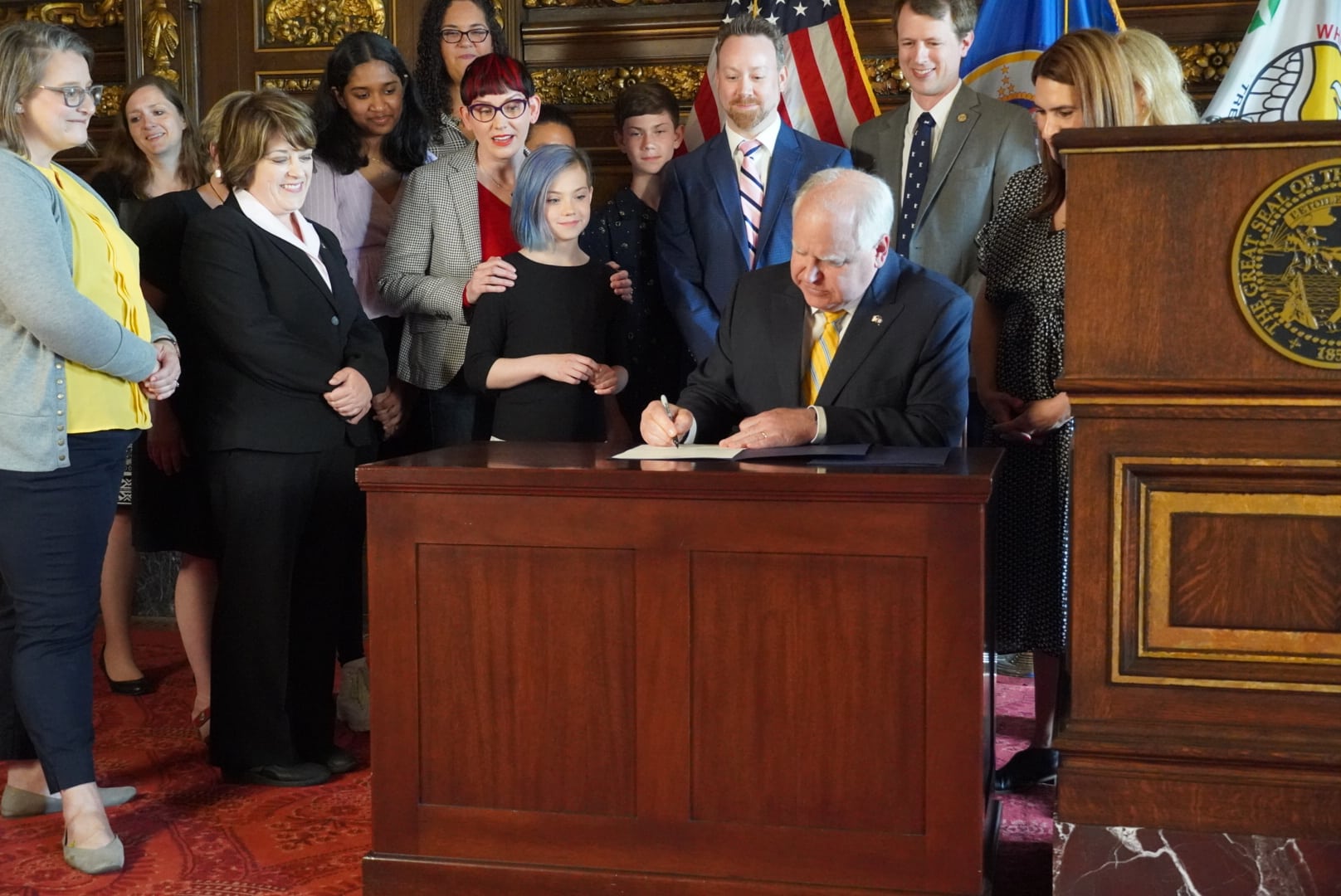
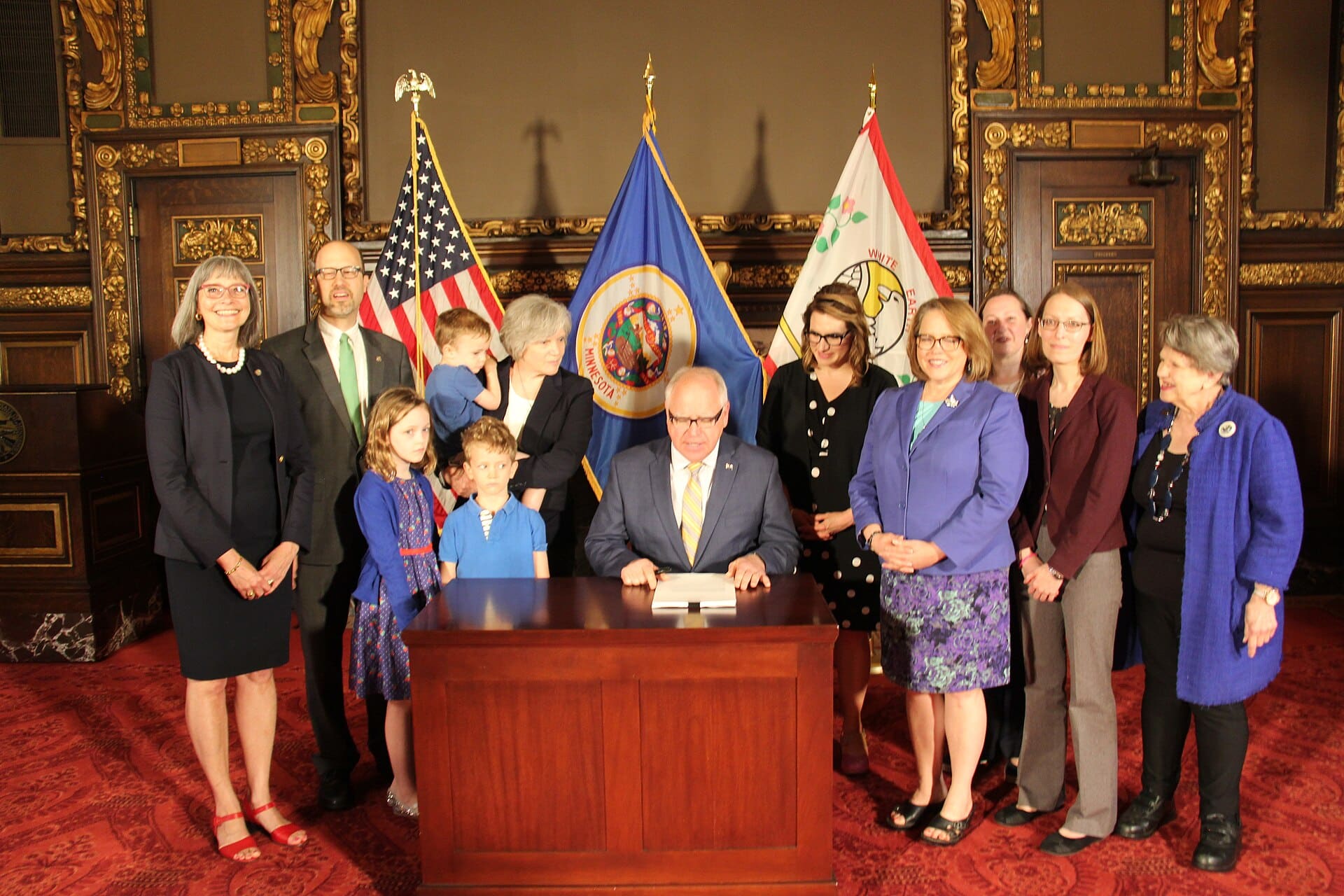
Gov. Tim Walz signed the bill on May 23, 2025, and the 60-and-30 provision took effect June 30, 2025. Sen. Nick Frentz and Rep. Leon Lillie are the sponsors most often cited. The Minnesota House new-laws summary and TRA’s rundown of the 2025 changes both spell out the details.
For a teacher who started young and has spent three decades in the classroom, that means the better formula opens two years earlier than under the old rule, with a smaller haircut on the monthly check when you take it.
What the Softer Penalty Still Costs
Retiring at 60 still means a smaller check than waiting until 65. The new law makes the cut smaller. It does not erase it.
Under the statute, the early-retirement reduction factor for retiring before 65 dropped from 6% to 5% per year. That figure is then offset by augmentation (2.5% or 3% under current law). The House summary, citing the Legislative Commission on Pensions and Retirement, says the result is a reduction of about 2% to 2.5% for each year you start early.
TRA’s early-retirement page gives a similar range. Under 60-and-30, TRA says Level-formula reductions run roughly 2.5% to 3.0% per year between your retirement age and 65.
Compare that with teachers who do not qualify for 60-and-30. TRA says the Level formula reduces benefits by 4% a year for ages 55 through 58, and by 7% a year from age 59 through normal retirement age.
Education Minnesota, the state teachers union, says a member who retires at 60 with 30 years is now eligible for nearly 87% of their full benefit, compared with about 65% under the older, harsher path. That is a real gain on a lifetime check. It is still not a full, unreduced pension at 60.



Who Actually Qualifies
The 60-and-30 rule applies only to how TRA calculates its own benefit. To use it, you have to clear all of these gates:
Age and timing. You must be at least 60 when you retire, and the retirement must begin on or after June 30, 2025.
Thirty years of service. You need at least 30 years of allowable service. Service with TRA can be combined with service in the Minnesota State Retirement System (MSRS), the Public Employees Retirement Association (PERA), or the St. Paul Teachers Retirement Fund Association (SPTRFA) to reach 30 years. Even then, the enhanced calculation applies only to your TRA benefit.
Active status at enactment. You must have been active in a Minnesota public retirement system on May 23, 2025, or on an approved leave that day. Deferred members who left before that date generally need to return and earn half a year of service before they become eligible.
Normal retirement age for TRA stays at 65. This bill did not change that. Teachers hired before July 1, 1989, may still have the Rule of 90 option, so if you are in that group, run both paths before you pick a date.
The Tradeoff New Retirees Should Not Miss
The same 2025 law included a change that is easy to skip past when the age number is the headline. Effective June 30, 2025, new TRA retirees who start drawing benefits before normal retirement age do not get their postretirement increase (the COLA) until January 1 of the year after they reach normal retirement age.
A teacher who leaves at 60 can keep more of the starting benefit than the old rules allowed, but that starting check stays flat for several years before cost-of-living increases begin. Anyone budgeting the first stretch of retirement needs that delay in the spreadsheet.
Part of the cost was covered by raising employer contributions 0.31 percentage points for coordinated members, from 9.5% to 9.81%, with state pension adjustment revenue backing the increase. That higher employer rate took effect July 1, 2025. TRA absorbed the remaining cost inside the fund.

A Separate 2026 Change: Return to Work at 59½
Some viral posts this fall framed the age-60 early-retirement change as a May 2026 governor signing. The Legislature did pass another TRA bill that month. It is a different law with a different job.
The 60-and-30 early-retirement rule comes from the 2025 law signed May 23, 2025. The 2026 omnibus pension bill was signed May 19, 2026. It did not create 60-and-30, and it did not cut the reduction factor from 6% to 5%. According to TRA’s summary of the 2026 changes, that law focused on retirees who return to work. It:
- Lowered the age for a TRA return-to-work agreement from 62 to 59½
- Extended the suspension of the earnings limitation for retirees returning to PreK-12 TRA-covered jobs through June 30, 2030
- Required employers to pay regular employer contributions on reemployed annuitants’ earnings beginning in July 2026
For a teacher thinking about retiring at 60 and then coming back to sub or fill a hard-to-staff seat, both laws can matter. The 2025 law sets how the pension is calculated. The 2026 law sets more of the rules for working after you retire.
Frequently Asked Questions
Can Minnesota teachers retire at 60 without a penalty now?
No. If you qualify for 60-and-30, your benefit is still reduced for each year you retire before 65. The cut is much smaller than it used to be: about 2% to 2.5% per year in the House/LCPR summary, or roughly 2.5% to 3.0% per year on TRA’s member page. Education Minnesota estimates that a teacher who retires at 60 with 30 years gets nearly 87% of the full benefit.
When did the 60-and-30 rule take effect?
Gov. Walz signed it on May 23, 2025. It took effect June 30, 2025. It was not part of the May 2026 legislation.
Does service in PERA or MSRS count toward my 30 years?
Yes. Service in TRA, MSRS, PERA, and SPTRFA can be combined to reach 30 years. The enhanced 60-and-30 calculation applies only to your TRA benefit.
Will my cost-of-living increase start right away if I retire at 60?
No. If you retired on or after June 30, 2025, and started benefits before normal retirement age, your postretirement increase is delayed until January 1 of the year after you reach normal retirement age.