
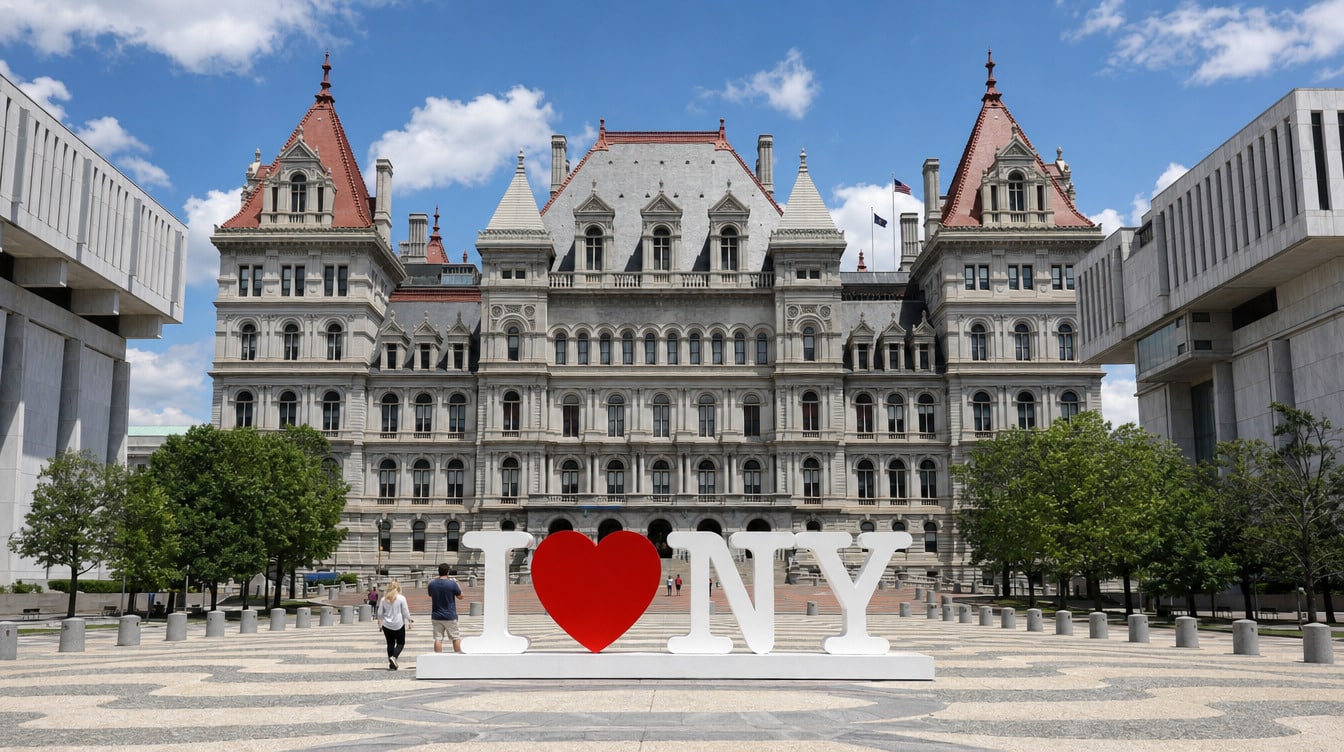
New York teachers with 30 years of service can now retire at 58 instead of 63, under a $557 million pension deal Gov. Kathy Hochul signed into law in May 2026. It’s the first time in over a decade that the state has moved a retirement age in teachers’ favor — and it capped a yearslong campaign that included a 15,000-strong union march on Albany.
A Win More Than a Decade in the Making
For years, New York teachers have been living under a pension tier that almost everyone — including the officials who created it — has admitted went too far. This spring, that finally started to change.
Gov. Kathy Hochul and the state Legislature struck a deal to overhaul “Tier 6” pensions, and the centerpiece is simple: any public school teacher who reaches 30 years of service can now retire at age 58, not 63. The budget bill passed both chambers on a Tuesday in late May, and Hochul signed it into law the very next day. It’s a real, tangible win for the people who’ve spent their careers in New York classrooms — and it didn’t happen by accident.
What Actually Changes for Teachers
The deal is expected to cost about $557 million a year and touches more than 830,000 public employees across the state, but the retirement-age rollback is specifically for teachers and teaching assistants. Everyone else covered by the agreement sees a different kind of relief: lower employee contribution rates, ranging from 3% to 5.75% depending on salary, and a higher cap on overtime that counts toward a worker’s final pension calculation, raised from around $22,000 to $30,000.
For teachers specifically, the number that matters is five. Five fewer years at the front of a classroom before a full pension kicks in. Retire at 58 with 30 years in, and there’s no penalty — a dramatically different reality than the one Tier 6 teachers have known since the tier was created.
Of the $557 million total, roughly $118 million falls on the state, with the remaining $440 million split between local governments and school districts statewide — New York City alone is projected to cover about $123 million of that in year one.
Why This Specific Number Mattered So Much
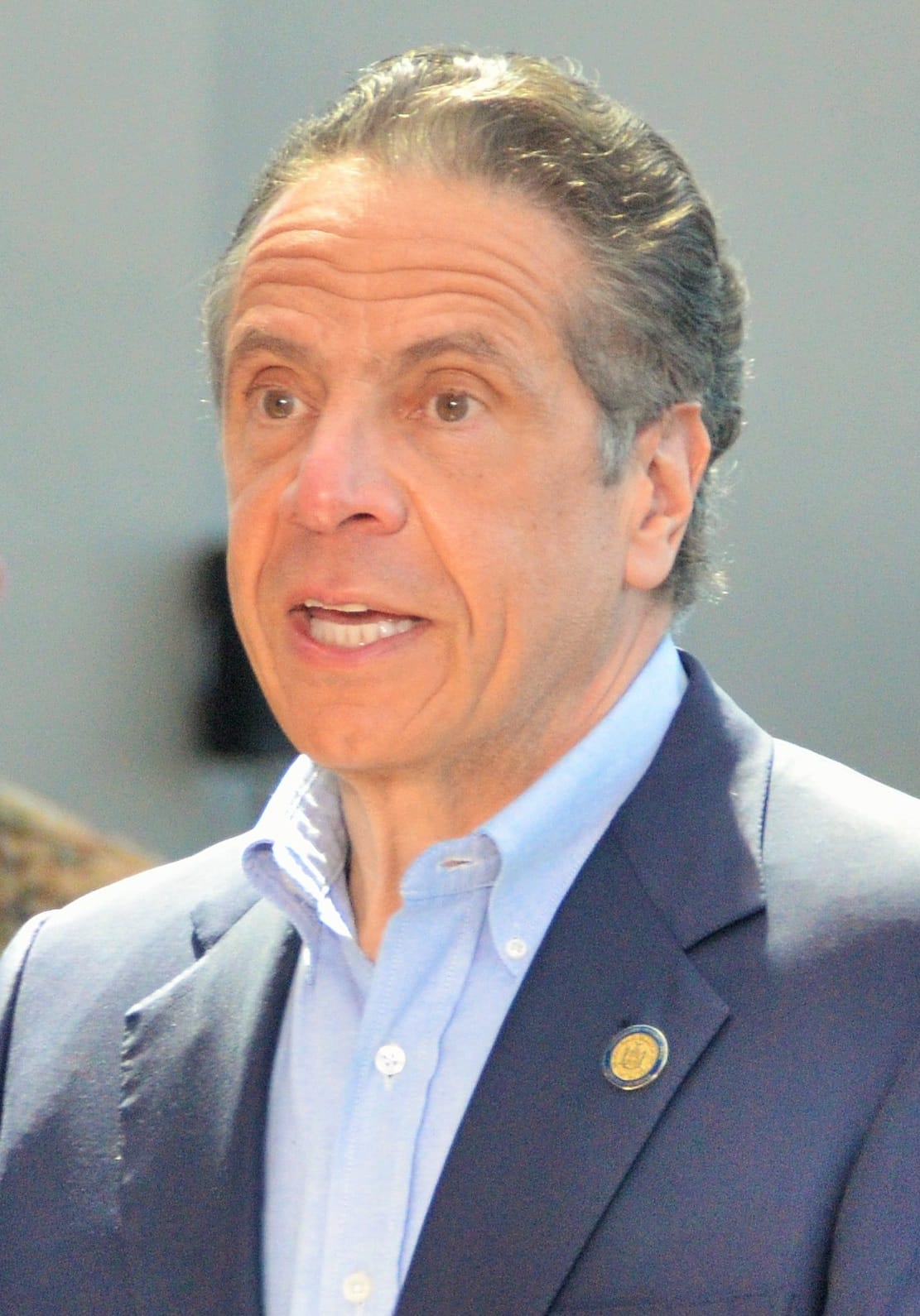
To understand why 58 versus 63 became such a fight, you have to go back to 2012. That’s when then-Gov. Andrew Cuomo created Tier 6 as a cost-saving measure, raising the retirement age for newly hired public workers from 55 to 62 — and for teachers, effectively to 63 once penalty-free thresholds were factored in. It also raised employee contributions and trimmed benefits across the board.
Teachers unions have argued for over a decade that lumping teachers in with the broader Tier 6 framework never made sense. Unlike many other public employees, teachers don’t earn overtime to pad their final pension calculations, and the physical and mental toll of a full classroom career tends to show up earlier than in many other public-sector jobs. Roughly two-thirds of the state’s primary retirement system is now made up of Tier 6 workers, meaning an entire generation of teachers hired since 2012 has been operating under rules their veteran colleagues never had to face.
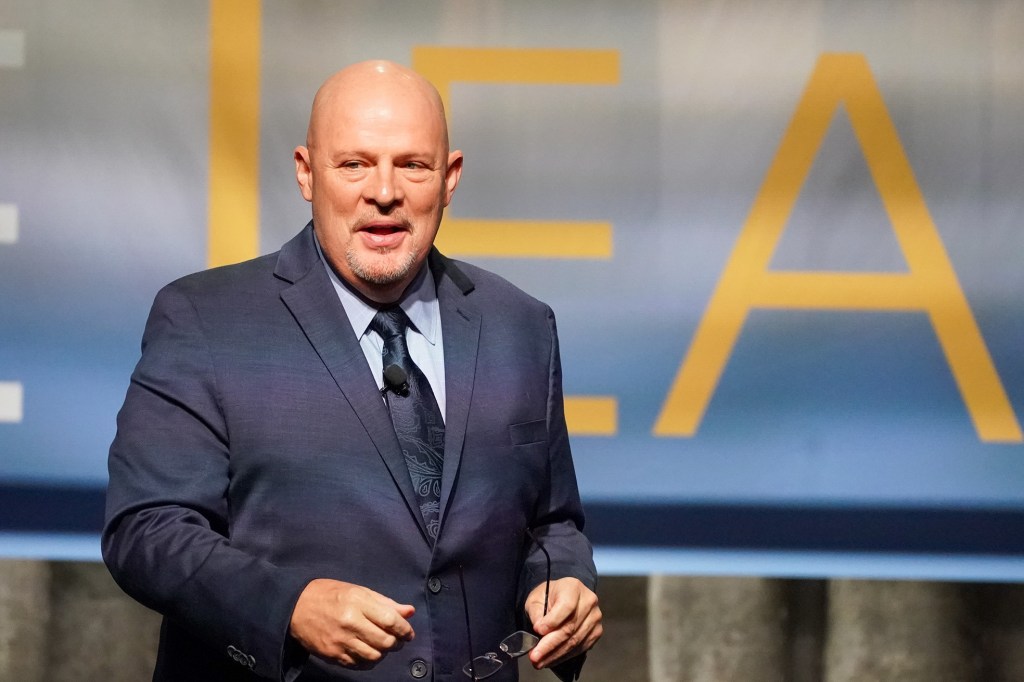
“Albany heard us and took a major step in correcting the injustice of Tier 6,” said Michael Mulgrew, president of the United Federation of Teachers, after the deal was announced. “Lowering the retirement age for educators from 63 to 58 after 30 years of service will make the pensions better and fairer for current and future employees. It shows that progress is possible when we stand together.”
It Took a Real Fight to Get Here
This wasn’t handed to teachers — they organized for it. In March 2026, roughly 15,000 union members rallied in Albany specifically to push lawmakers on Tier 6 reform, part of a sustained, yearslong campaign led by the UFT and coordinated with the broader AFL-CIO. Mario Cilento, president of the New York AFL-CIO, negotiated directly with Hochul’s administration on behalf of the coalition.
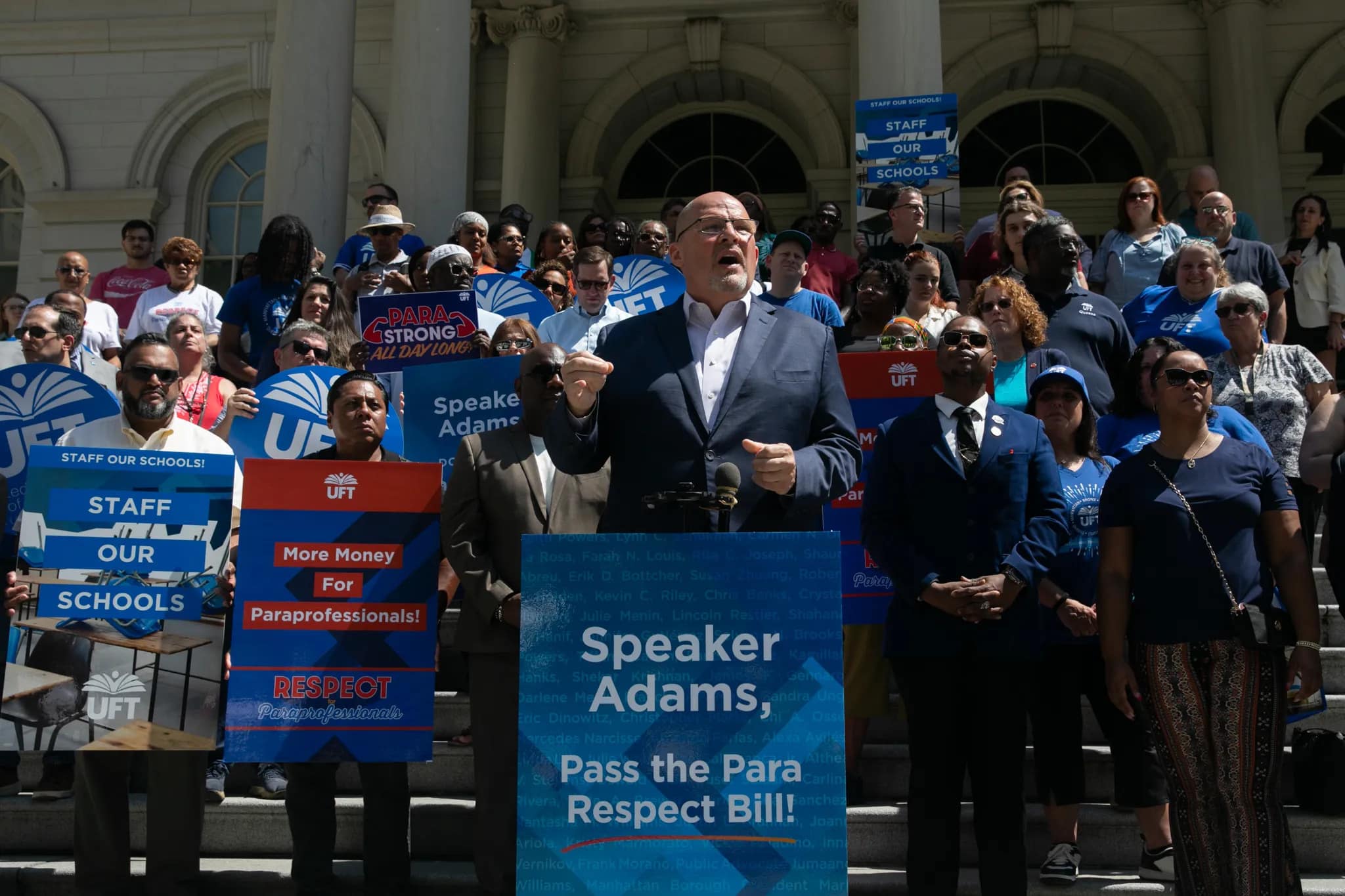
The original ask was bigger: a union-backed proposal that would have cost $1.5 billion a year and dropped the retirement age all the way to 55. What passed is a scaled-down version — but Mulgrew has been clear that 58 is a milestone, not a finish line. “We’re not done,” he said. “We knew [the] priority was the age right now, but we’re not done.”
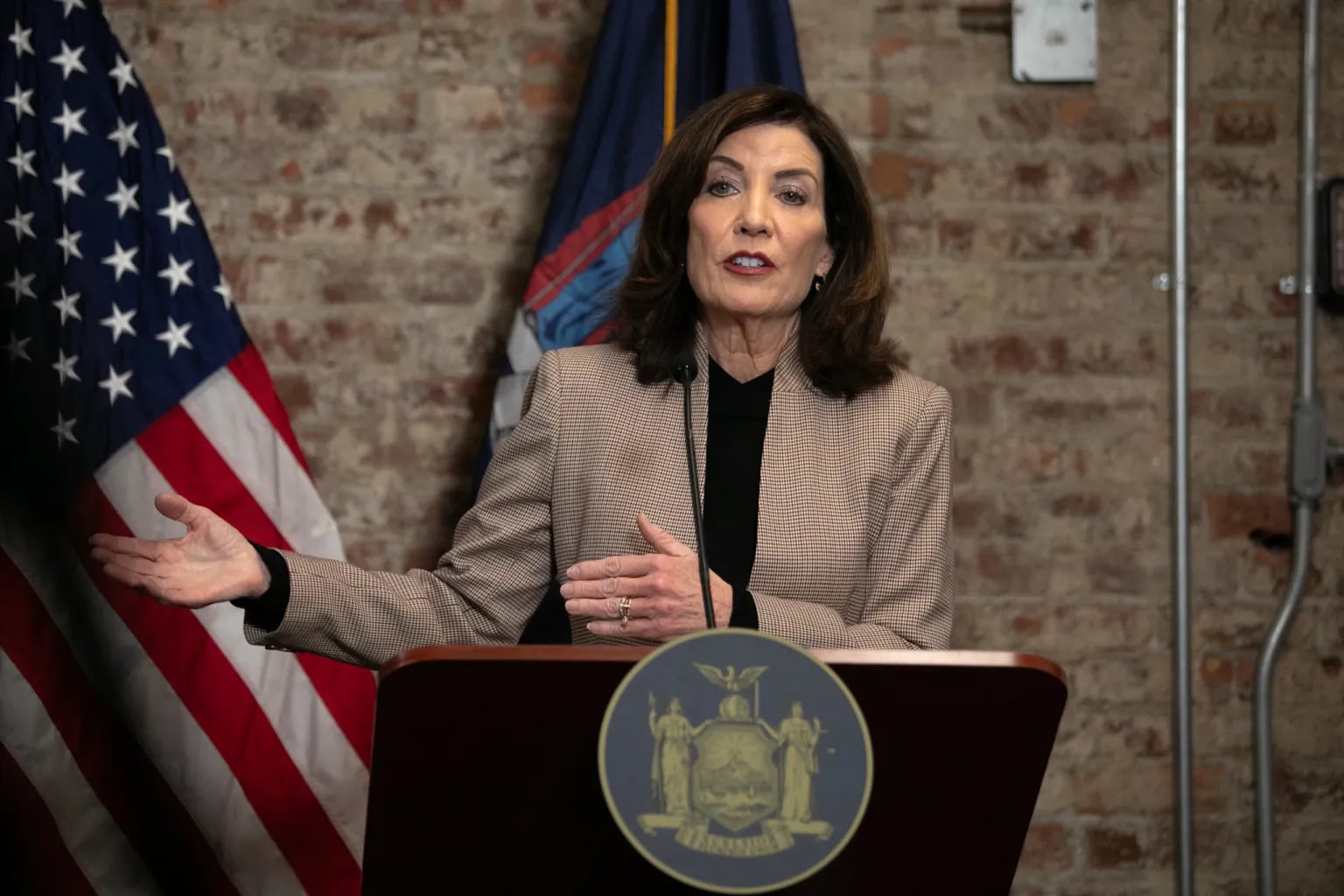
Hochul, for her part, framed the deal around a problem every district in the state is grappling with: keeping people in public service jobs at all. “Every public sector agency cannot fill its staffing needs,” is the reality Mulgrew pointed to, and Hochul echoed the same concern in her own remarks: “I cannot fail in delivering the services that New Yorkers expect when I can create some modest incentives to help them come to the workforce in the first place… We’re having a real shortage here, so I have to address that.”


Not Everyone’s Cheering — But That Doesn’t Make It the Wrong Call
To be fair, the deal has critics. The Citizens Budget Commission’s Andrew Rein called the changes “unnecessary and unwise,” warning that school districts and local governments will have to either cut elsewhere or raise taxes to cover their share. He estimates this reform, stacked on top of earlier 2022 and 2024 pension changes, pushes the state’s total added pension costs closer to $1 billion a year. Some commentary also pointed out that NYSUT and the UFT have been major campaign donors to the state lawmakers who approved the deal.
Those are legitimate numbers to watch, especially for local school budgets. But it’s worth separating the cost debate from the substance of what changed: a Cuomo-era rule that even some of its architects have since acknowledged went too far is finally being walked back, for the specific group of workers who had the strongest case that it never should have applied to them in the first place. Recruiting and keeping teachers is a real, well-documented problem nationwide, and this is a state deciding that competitive retirement benefits are part of the fix rather than a line item to trim.
What’s Next
Mulgrew and the UFT have already signaled this isn’t the end of the campaign — the union’s stated goal remains a retirement age of 55, not 58. That fight will play out in future legislative sessions, likely starting as soon as this September. For now, though, teachers hired after April 2012 — an entire generation of New York’s classroom workforce — have a meaningfully shorter runway to a full pension than they did at the start of this year.
Frequently Asked Questions
What did New York’s Tier 6 pension deal actually change?
Public school teachers and teaching assistants with 30 years of service can now retire at age 58 instead of 63, without a penalty. The deal, signed into law in May 2026, also lowers pension contribution rates for other Tier 6 public employees and raises the overtime cap used in pension calculations.
How much does the pension deal cost?
The changes are projected to cost about $557 million annually, split roughly $118 million for the state and $440 million for local governments and school districts, including about $123 million for New York City alone in the first year.
Why was the retirement age 63 for teachers in the first place?
It dates back to 2012, when then-Gov. Andrew Cuomo created the Tier 6 pension category to cut costs, raising the retirement age for public employees hired after April 2012. Teachers unions have argued for years that folding teachers into that same framework was unfair, since teachers don’t earn overtime and face unique career demands.
Is this the end of the push for pension changes?
No. UFT President Michael Mulgrew has said the union’s real target is a retirement age of 55, and plans to keep pushing lawmakers in future sessions.