
New Hampshire has required play-based learning in kindergarten since 2018. A federally funded study of the state’s teachers found nearly all of them believe in it. What many say they can’t find is the time, with benchmark pressure topping the list.
In New Hampshire, play in kindergarten is not just a philosophy. It is the law. A 2018 change to state statute requires kindergarten programs to include “child-directed experiences based upon early childhood best teaching practices and play-based learning.”
Eight years later, a study released in June 2026 by the Institute of Education Sciences’ Regional Educational Laboratory Northeast & Islands asked how that is going inside classrooms. The answer is mixed. Teachers overwhelmingly agree that play works. Fewer of them use the most structured kind of play regularly, and most say academic benchmarks are getting in the way.

What the Study Found
Researchers at the University of New Hampshire surveyed the state’s kindergarten teachers and administrators in spring 2024, and the REL team analyzed the results. The usable sample included 445 teachers, about two-thirds of the 676 kindergarten teachers federal data counted in the state that year, and 138 administrators.
Belief was close to universal. Ninety-four percent of teachers agreed that play-based learning builds social-emotional skills, and 95 percent said it builds academic skills. Among administrators, 98 percent agreed with both. Ninety-one percent of administrators said they knew about the state requirement.
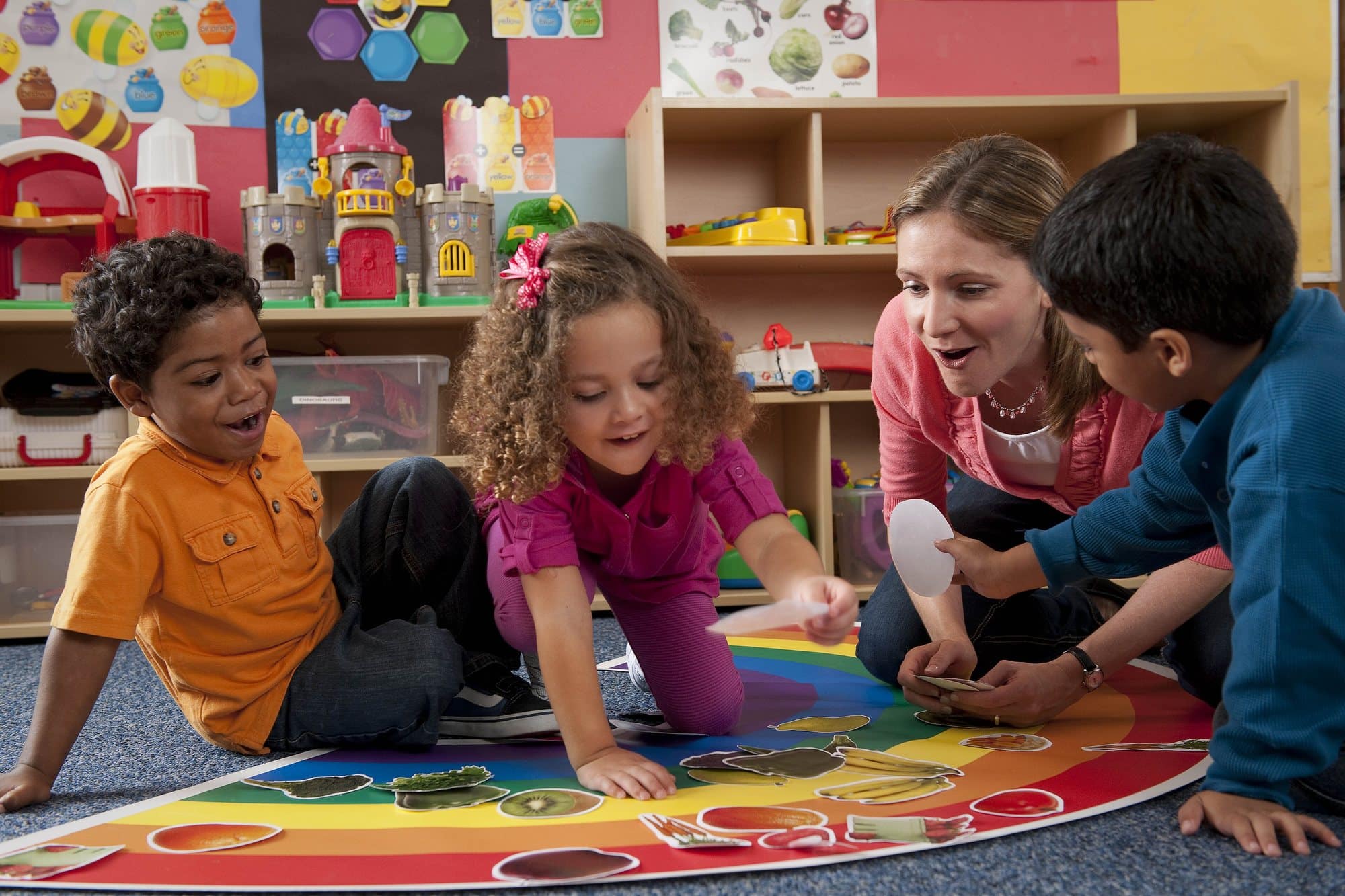
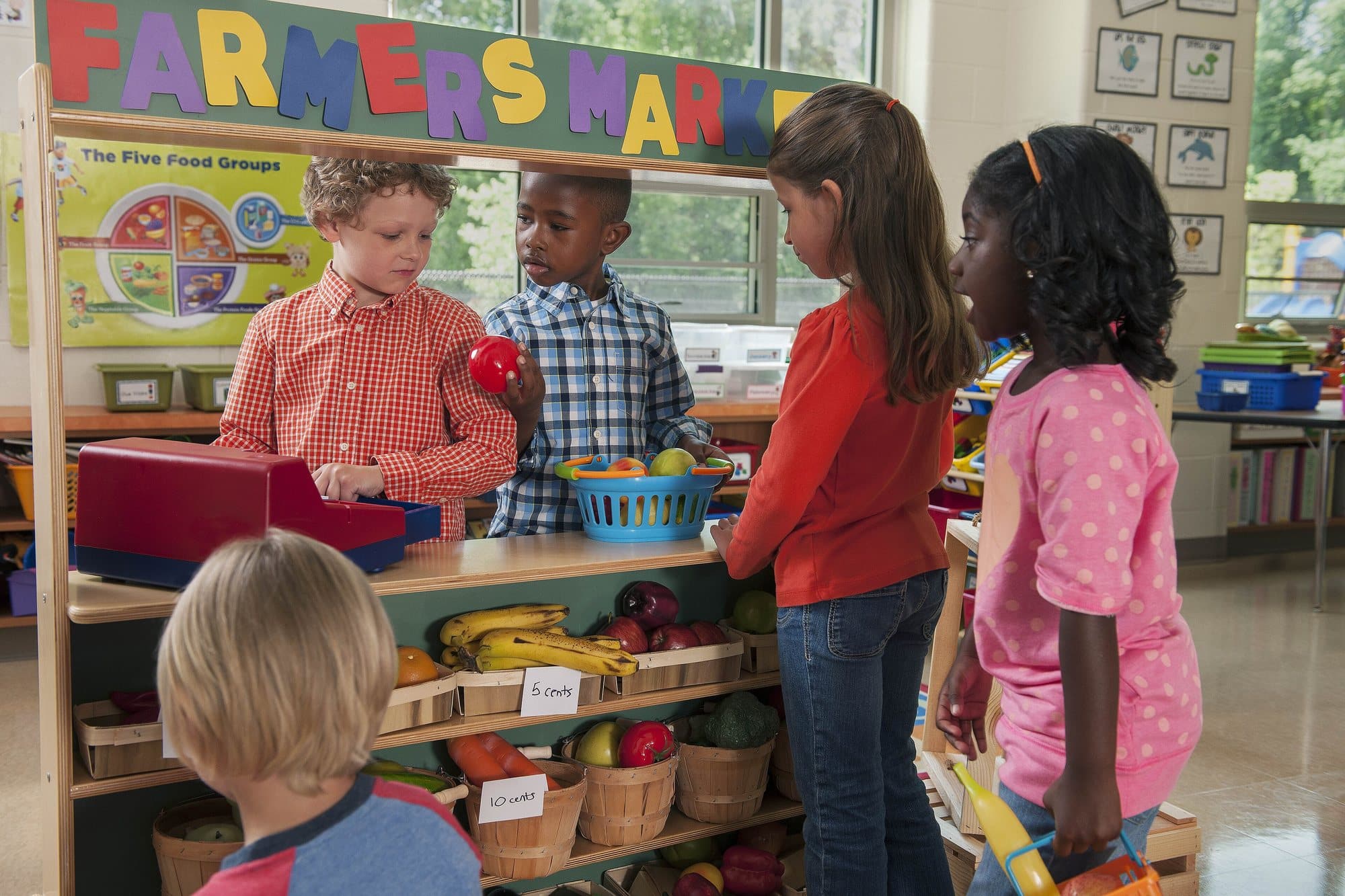
Practice was more uneven. Most teachers reported giving children at least an hour a week of center time (62 percent) and free play (55 percent). Fewer reported that much guided play (46 percent), the approach in which an adult sets up the activity around a learning goal and children lead within it. Twelve percent of teachers said they never use guided play.
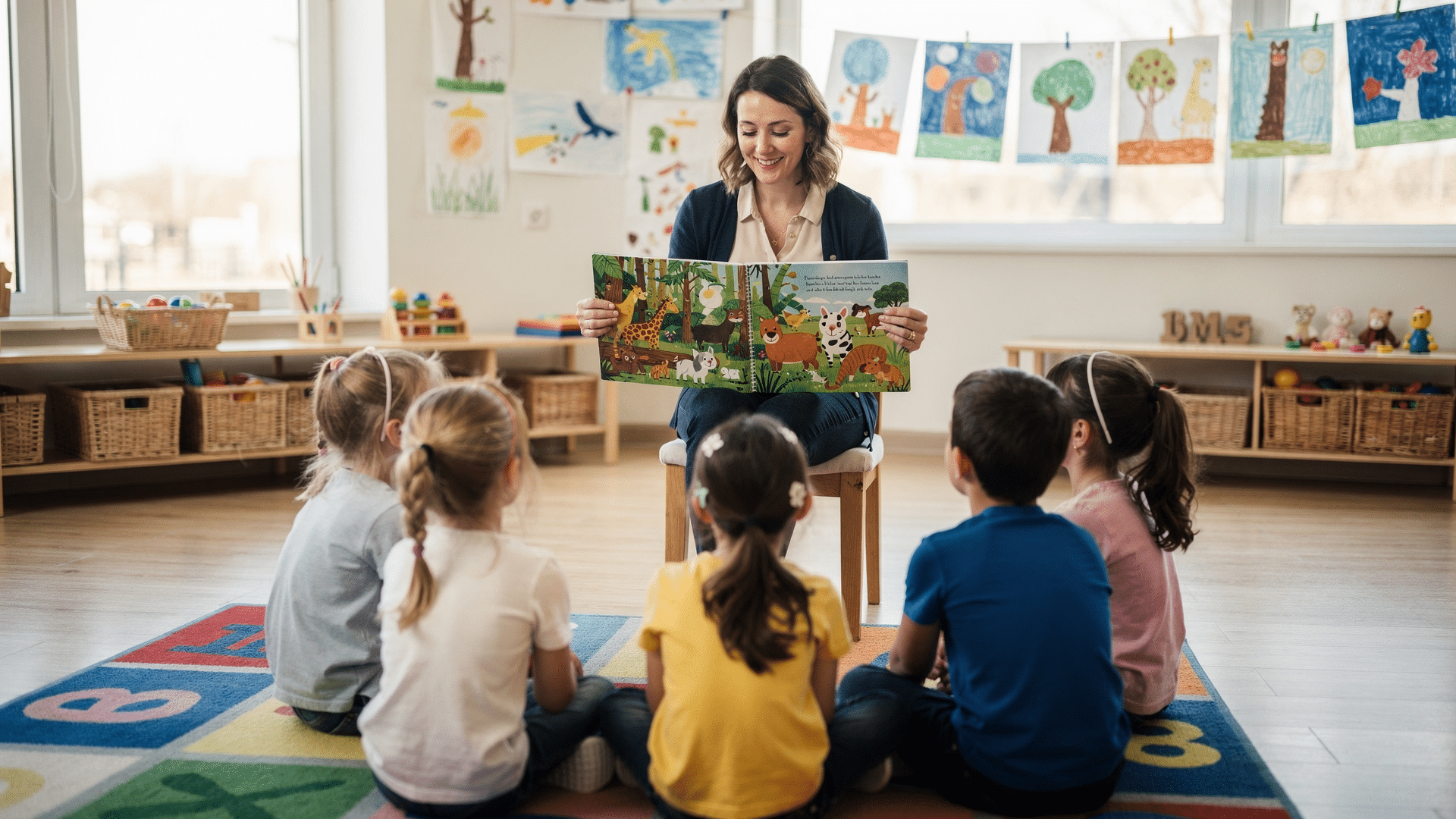
The state’s model, developed with UNH, pairs guided play with planning and whole-group discussion. Sixty percent of teachers said they allow guided play at least twice a week, but only 37 percent hold whole-group discussions that often, and only about a fifth use all three parts of the model twice a week. Just over a third of teachers said they were familiar with the model at all.
What Gets in the Way
Asked about barriers, 75 percent of teachers named pressure to meet academic benchmarks. Seventy-two percent cited a lack of planning time, and 56 percent a lack of class time.
Administrators saw it differently. Forty-nine percent of them named benchmark pressure, 27 percent planning time and 25 percent class time. That gap, between the people who set the schedule and the people who teach inside it, is one of the clearest findings in the report.
Education Week, covering the study in July, framed it as a pressure that cuts both ways. The push for early reading and math gains is part of why play is getting renewed attention, and part of why teachers say it is hard to protect.

Training Has Not Reached Everyone
Ninety percent of teachers reported some professional development on play-based learning. Ongoing coaching was rarer, and it was rarest for the newest teachers. Ten percent of teachers with three or fewer years of experience reported ongoing UNH coaching, compared with 16 percent of those with four to 10 years and 22 percent of those with more than 10. Eighteen percent of novice teachers said they had received no play-based training at all, more than double the share among experienced colleagues.
New Hampshire funded much of that training through a $26.8 million federal Preschool Development Grant that ran from 2020 to 2023, according to the REL report.
What the Research Says About Guided Play
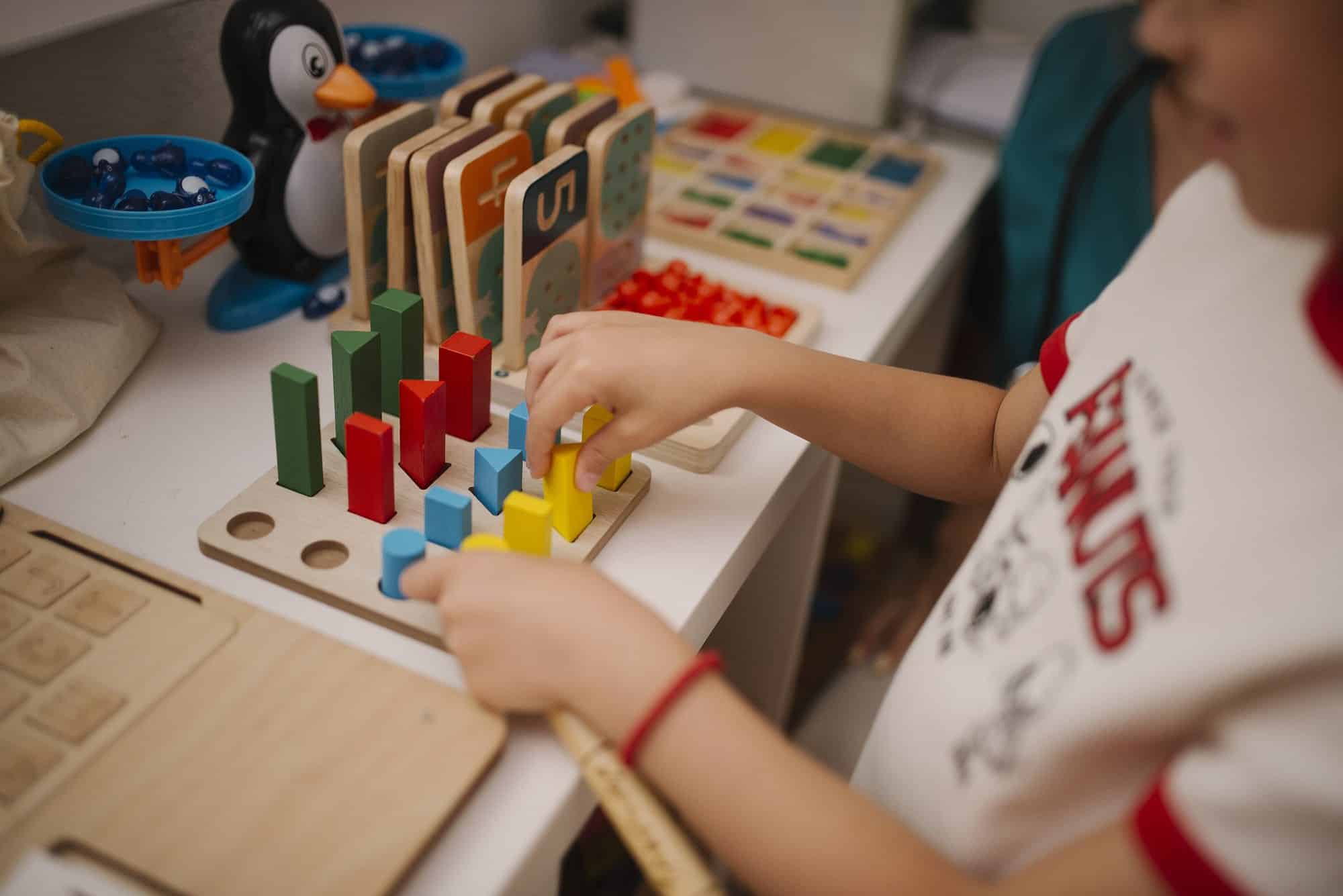
The case for guided play rests partly on a 2022 review in the journal Child Development, which pooled results from 17 studies. Guided play produced stronger results than direct instruction in early math, shape knowledge and task switching, a measure of flexible thinking. It did not show a measurable advantage in literacy or social-emotional outcomes, and the authors noted the evidence base is still small. Guided play, in other words, is not a free pass on reading instruction. It is an approach with real gains in some areas and open questions in others.
What This Means for Kindergarten Teachers
For a kindergarten teacher in New Hampshire, the study puts numbers on a familiar squeeze. The state requires play, the district tracks benchmarks, and the planning time to make guided play work is the first thing to go. The report’s authors suggest the state consider ways to promote one consistent guided-play model, do more to share the evidence that play builds academic skills, and expand training, particularly for new teachers and through teacher preparation programs.
For teachers elsewhere, the takeaway is narrower but useful. Most of the play happening in New Hampshire classrooms is free play and centers. The structured version, the one with the strongest research behind it in math, takes the most planning, and it is the version teachers say they have the least time for.
Frequently Asked Questions
Does New Hampshire require play in kindergarten?
Yes. A 2018 law, House Bill 1499, amended state statute to require kindergarten programs to include child-directed experiences based on play-based learning.
Are New Hampshire teachers keeping play out of kindergarten?
No. Most teachers in the survey reported regular center time and free play. The gap is in guided play and in the full planning, play and discussion model the state promotes.
What is guided play?
An activity an adult designs around a learning goal, in which children still make the choices. It sits between free play and teacher-directed instruction.
Who conducted the study?
The University of New Hampshire ran the survey in spring 2024. The Regional Educational Laboratory Northeast & Islands, funded by the Institute of Education Sciences, analyzed it and published the report in June 2026.