
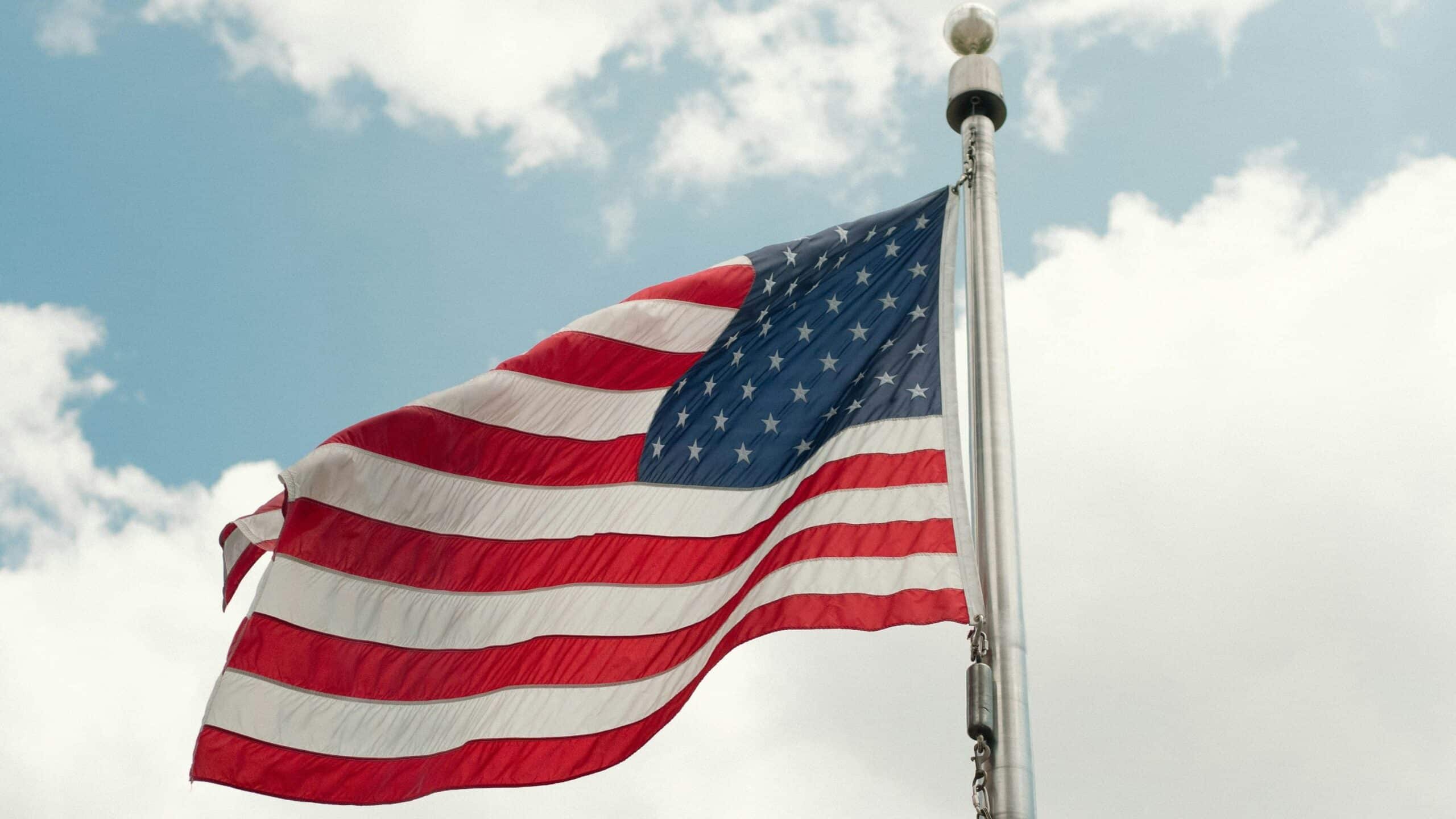
Tullahoma City Schools in Tennessee unanimously approved a districtwide flag-and-displays policy that defaults classrooms to the U.S. and Tennessee flags. For teachers who decorate walls, the practical question is not a slogan — it is what stays up, what needs a written exception, and who decides.
What the Board Actually Passed
On Oct. 21, 2025, the Tullahoma City Schools Board of Education unanimously approved an amendment to Policy 4.400 (“Textbooks and Instructional Materialsâ€) adding a “Flags and Other Displays†section. Local coverage from Thunder Radio, WKRN, and a later fact-check by Snopes all describe the same core rule.
Under the policy text Snopes reproduced from the board meeting: no flags or other displays — banners, pennants, digital signs, and the like — other than the United States and Tennessee flags may hang in or on Tullahoma City Schools buildings, including classrooms, unless the display is an official country, state, TCS school, higher-education, postsecondary, or U.S. military branch flag used solely for educational purposes. Other political, cultural, or personal displays are prohibited unless they are “directly related to the curriculum or other school-sanctioned event or program.â€
That last clause matters for teachers. A Spanish classroom flag, a club banner tied to a sanctioned program, or a temporary display with a clear curriculum link is not automatically banned — but it is not automatic either. It needs a written exception path.
Petition Context, Not a Mystery Trigger
WKRN reported that former Tullahoma alderman Daniel Berry started a Change.org petition titled “Only American & Tennessee Flags in Tullahoma Classrooms,†which gathered nearly 700 signatures before the vote. Berry told WKRN: “Every child, regardless of their background or belief, deserves to walk into a classroom that’s dedicated to learning and not advocacy,†and “I believe the American and Tennessee flag represents every single student.â€
Thunder Radio and Tennessee Conservative coverage place the debate against a local controversy that included a Tullahoma High School teacher’s classroom Pride flag display and related public comments. Snopes’s July 31, 2026 fact-check is careful on the wording: the policy does not name Pride flags for specific removal. It sets a U.S./Tennessee default and a curriculum-or-sanctioned-event exception. Pride and other cultural or personal displays fall under that general rule unless an exception clears.
Coffee County Democratic Party Vice Chair Andrew Head told WKRN opponents were trying “to protect the LGBTQ youth in our community,†and that a competing petition sought to “Protect safe and inclusive classrooms in Tullahoma.†Thunder Radio’s meeting report describes a packed room, more than 45 minutes of public comment, and speakers on both sides — some arguing flags signal welcome and safety, others arguing classroom neutrality.
What Teachers Have to Do With the Walls
Board member Gigi Robison told Thunder Radio the policy “does not come lightly†and had been worked on for more than a month with the district’s lawyer, administration, and school staff. Tennessee Conservative reported board member Rosie Graham describing a comprehensive rule covering flags, banners, and wall posters, with leadership training before full staff rollout. Implementation was aimed toward winter break / second semester of that school year, with staff time to audit materials and use the exception process.
The exception process, as summarized across Snopes and Tennessee Conservative: submit a written request to the principal or designee with an image of the display, a justification tying it to a club, team, organization, or classroom, and a duration. A denial can be appealed to the Director of Schools within five business days. An approved display can still be revoked if it causes “significant or material disruption†during the school day.
That is the classroom-cost version of the story. Teachers who already decorate rooms — language flags, college pennants, club posters, cultural displays tied to a unit — now have an audit checklist and a paperwork path. The policy is not only about one symbol. It is about who clears what hangs where students sit.



Neighboring Coffee County Already Moved
Thunder Radio noted Tullahoma was not first in the area. Coffee County Schools had recently adopted a similar classroom-flag approach requiring the U.S. and Tennessee flags. Berry’s petition explicitly pointed to Coffee County’s Sept. 8, 2025 board action as a model. For teachers watching district policy drift county to county, the pattern is familiar: one board vote becomes the template for the next.
How Viral Coverage Can Outrun the Calendar
An Oh My Classroom Facebook post on Sept. 24, 2026 summarized the Tullahoma policy and reached about 114,000 people (Strevio), with heavy likes and comments. The underlying board vote was Oct. 21, 2025 — nearly a year earlier. Snopes had already fact-checked recirculating social claims in July 2026. Teachers reading the post in fall 2026 are not watching a brand-new vote in real time; they are watching a settled local policy travel again through national education feeds.
That timing is worth saying out loud. Soft-stop reporting means dating the board action correctly, quoting what the policy text allows, and separating classroom-wall consequences from culture-war captions that flatten the rule into a single banned symbol.
Frequently Asked Questions
Does the Tullahoma policy ban Pride flags by name?
No. Snopes rates the social-media claim “mostly true†on the U.S./Tennessee default, and false if it implies the policy text specifically names Pride flags for removal. Pride and other political, cultural, or personal displays are covered by the general prohibition unless they clear a curriculum or school-sanctioned exception.
Can a teacher still hang a curriculum-related flag?
Yes, with process. Thunder Radio’s example: a Spanish teacher wanting a Spanish flag would request an exception through the principal. Written justification, image, and duration are required. Appeals go to the Director of Schools.
When did this take effect?
The board voted Oct. 21, 2025. Local reporting described leadership training first, then staff audit time, with full implementation aimed toward winter break / second semester of that school year. WKRN’s short package said the new policy would “start next year†relative to the October 2025 vote.