
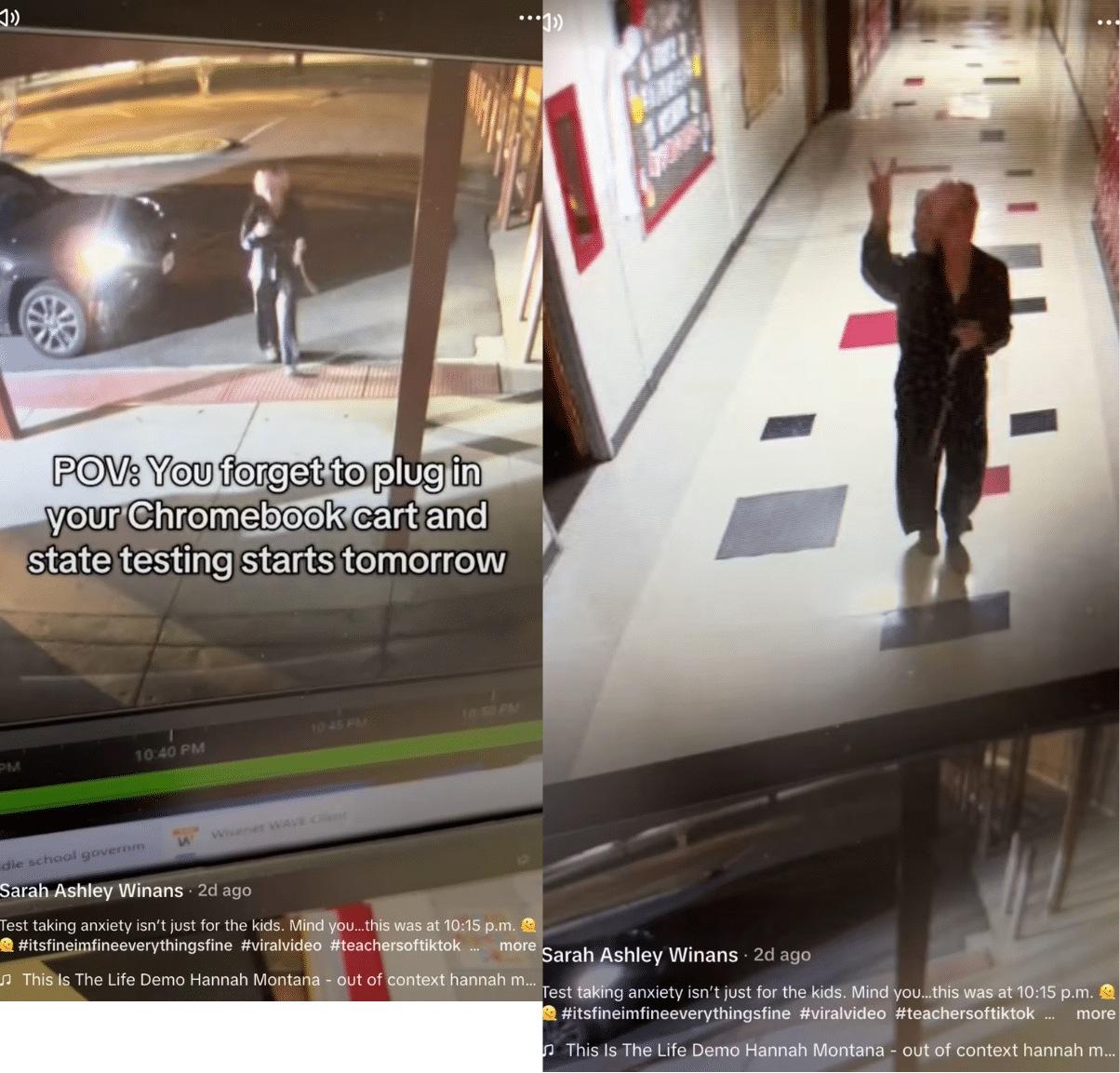
Sixth-grade teacher Sarah Ashley Winans drove back to her Georgia school at 10pm in her pajamas to plug in a forgotten Chromebook cart before state testing — and the TikTok video she filmed of it went viral.
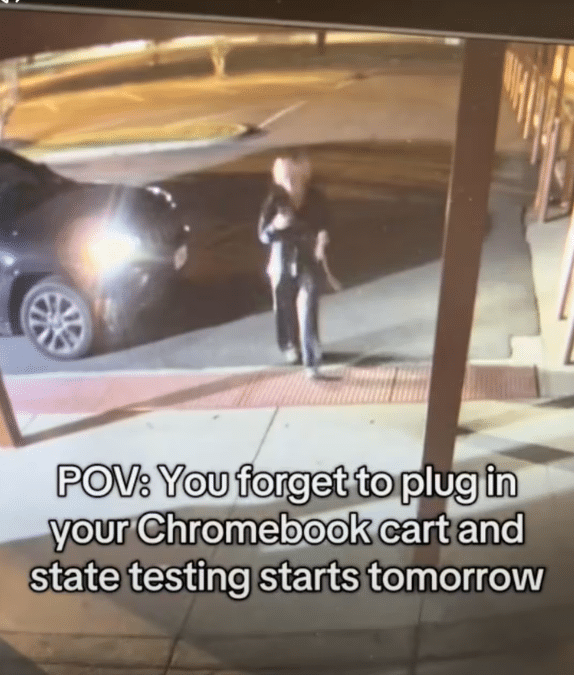
In the quiet of a Georgia night, when most people had long since settled in for sleep, Sarah Ashley Winans was jolted awake by a creeping sense of dread. It was shortly before midnight, and she had just remembered something she’d forgotten to do before leaving school: plug in the Chromebook cart. State testing was the next morning. Every device needed to be charged.
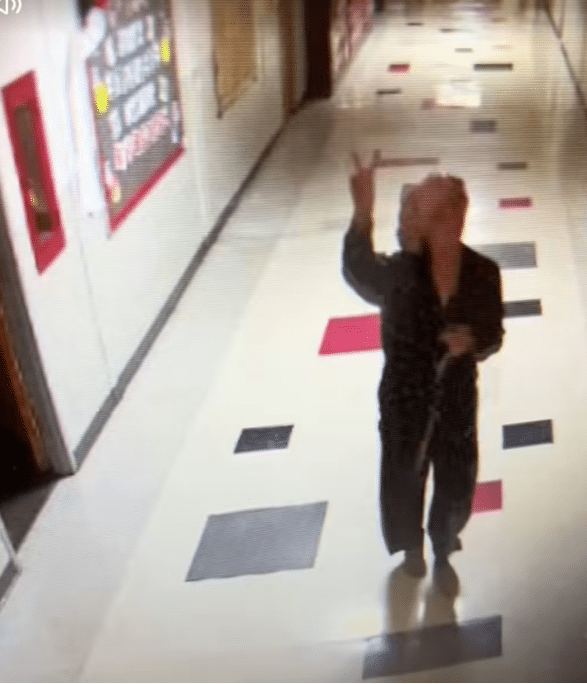
Without hesitating, the sixth-grade teacher threw on her slippers, grabbed her keys, and drove back to school — still in her pajamas. She filmed the whole thing and posted it to TikTok. The video quickly went viral, resonating with teachers and parents alike who recognised exactly the kind of panic she was describing.
“I knew how important it was for my students to have those Chromebooks ready,” Winans recalled. For her, this wasn’t a choice between comfort and duty. There was no choice at all.
The Heart of a Teacher: More Than Just a Job
Teaching is not a profession that clocks out at 3pm. For educators like Winans, it’s a calling that routinely bleeds into evenings, weekends, and apparently the middle of the night. The Chromebook cart moment was not an isolated lapse — it was a window into the invisible layer of responsibility teachers carry long after the school day ends.
“It’s not just about teaching the curriculum,” Winans explained. “It’s about being there for them, ensuring they have everything they need to succeed.” That sense of personal accountability — that a forgotten power cable is somehow a personal failure — is something almost every teacher will recognise immediately.
The video struck a particular chord among fellow teachers who flooded the comments with their own confessions: late-night drives back to school, Sunday afternoon classroom prep, grading stacks of tests at midnight. For every visible lesson taught, there are hours of unseen effort making it possible.

A Viral Moment of Empathy and Solidarity
The TikTok quickly amassed views, drawing comments from parents and educators who shared their own stories of late-night realisations and the subsequent rush to fix them. “I’ve been there,” one commenter wrote — a reply that summed up the collective reaction of thousands.
For Winans, going viral was an unexpected outcome. “I didn’t anticipate this would resonate with so many,” she admitted. Yet the video did more than entertain — it opened a window into a world of teaching that is rarely acknowledged but deeply felt by those within it.
The story also put a human face on the pressures that come with standardised testing season. Ensuring that every device is charged, every login works, and every student is set up to succeed is just another layer of preparation in a system that asks teachers to wear many hats — and apparently, pyjamas too.

The Broader Impact: Recognising the Unseen Efforts
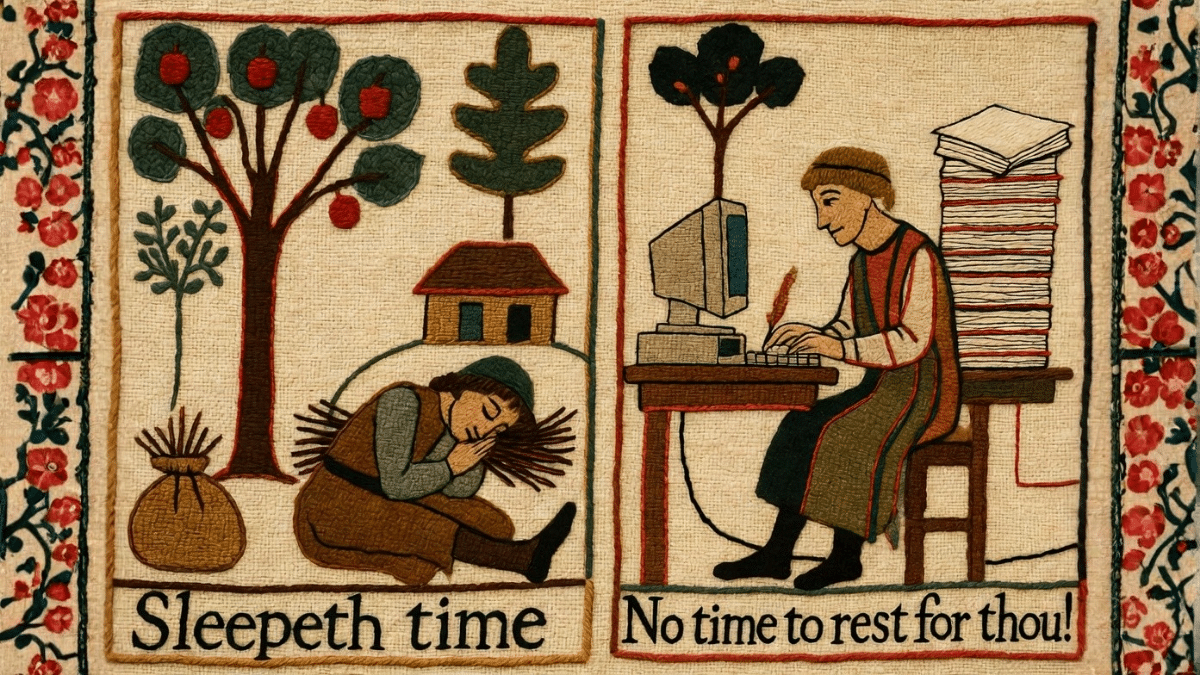
Winans’ story is far from unique — it is simply one that happened to be filmed. Across the country, teachers make similar sacrifices daily, driven by a sense of duty that no contract fully captures. Her midnight drive became a symbol of something that rarely makes headlines: the depth of care that keeps classrooms running.
The viral moment also sparked broader conversations about the support systems in place for teachers, and whether the infrastructure of modern schooling — standardised tests, device-dependent assessments, increasing administrative demands — places realistic expectations on the people responsible for delivering it.
For her students, the Chromebooks were charged and ready. The tests went ahead. Most of them will never know that their teacher drove to school in her pyjamas the night before to make it happen. That’s the part that rarely gets told.
As Winans’ story continues to spread, it stands as a quiet but powerful call to recognise the educators who go the extra mile — not for recognition, not for extra pay, but simply because their students are counting on them.
Frequently Asked Questions
Who is Sarah Ashley Winans?
A sixth-grade teacher in Eastman, Georgia, who went viral on TikTok after driving to her school at 10pm in her pajamas to plug in a Chromebook cart before state testing.
Why did she go back to school so late?
She realized she’d forgotten to charge the classroom’s Chromebook cart, and every device needed to be ready for state testing the next morning.
Did her video really go viral?
Yes — the TikTok drew large numbers of views and comments from teachers and parents sharing similar late-night, above-and-beyond moments of their own.